

Health Benefits of Garden Egg: Neglected yet valuable
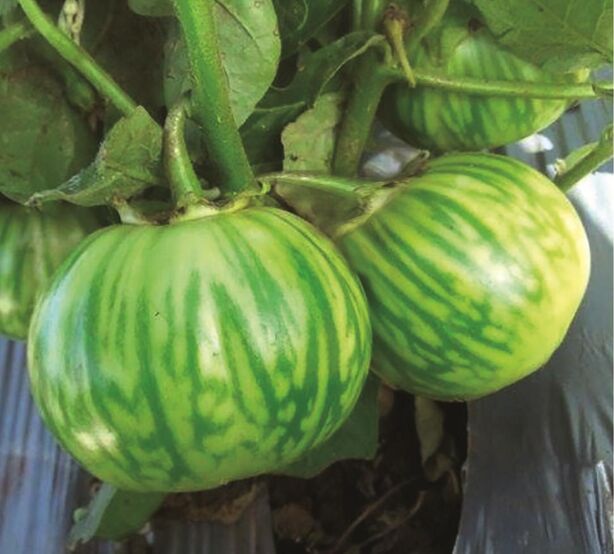
Garden egg, also known as African eggplant, is a nutrient-rich vegetable widely grown in West Africa. This small, round fruit belongs to the nightshade family and comes in various colors, including white, green, and purple. Beyond its culinary uses, garden egg is prized for its health benefits, making it a must-have in your diet.
Nutritional Profile of Garden Egg
Garden egg is packed with essential nutrients, including vitamins, minerals, and antioxidants. A typical serving provides:
- Vitamin C: Boosts immunity and supports skin health.
- Fiber: Aids digestion and prevents constipation.
- Potassium: Helps maintain blood pressure and fluid balance.
- Folic Acid: Supports fetal development and prevents birth defects.
- Phytonutrients: These antioxidants help fight inflammation and protect the body from free radicals.
Top Health Benefits of Garden Egg
- Promotes Heart Health
Garden egg is a heart-friendly vegetable due to its high fiber and potassium content, which help manage blood pressure and cholesterol levels. Potassium, in particular, aids in reducing sodium's effects, making it an excellent addition to a heart-healthy diet. - Aids Weight Loss
With its low-calorie count and high fiber content, garden egg helps keep you full for longer, reducing overall food intake and supporting weight management. Its fiber promotes satiety, making it ideal for those looking to shed extra pounds. - Improves Digestion
Fiber is essential for proper digestion, and garden egg provides a good amount of it. It can help alleviate constipation, promote regular bowel movements, and improve gut health by acting as a prebiotic. - Helps Manage Blood Sugar Levels
The fiber and low glycemic index of garden egg make it suitable for diabetics. It slows down the absorption of sugar, preventing spikes in blood glucose levels. - Supports Eye Health
Garden eggs contain small amounts of vitamin A and lutein, which play crucial roles in maintaining good vision and preventing conditions like cataracts and macular degeneration. - Prevents Anemia
The iron and folate in garden egg are vital for preventing anemia, particularly in pregnant women. Iron helps in the formation of hemoglobin, which carries oxygen in the blood, while folate is crucial for producing red blood cells.
How to Incorporate Garden Egg into Your Diet
Garden egg can be eaten raw, steamed, or cooked. In West African cuisine, it is commonly added to soups, stews, or enjoyed with dips. It can also be sliced and added to salads for a crunchy texture or roasted as a side dish. Its versatility makes it easy to include in various meals.
Conclusion
Garden egg is more than just a delicious vegetable; it’s a nutritional powerhouse with a wide array of health benefits. Whether you're looking to improve heart health, manage blood sugar levels, or simply enjoy a healthy snack, garden egg deserves a place in your diet.
For more insights on the benefits of garden egg, visit reputable sources like Healthline or WebMD.
https://babacares.com.131-153-147-50.cpanel.site/blog-details?details=123&title=Health+Benefits+of+Garden+Egg%3A+Neglected+yet+valuable







Comments