

The Health Benefits and Culinary Uses of Locust Beans (Iru): A West African Superfood.
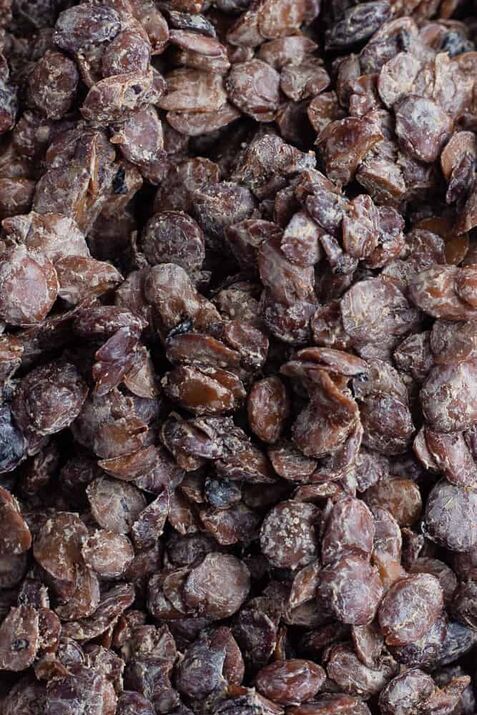
Locust beans, also known as Iru in Yoruba, Ogiri in Igbo, and Dawadawa in Hausa, are a widely used fermented food ingredient in West Africa. These small, brown seeds from the African locust bean tree (Parkia biglobosa) pack a punch when it comes to flavor and nutrition. In this article, we’ll explore the health benefits of locust beans, their cultural significance, and how they are used in cooking.
Nutritional Profile of Locust Beans
Locust beans are incredibly rich in nutrients, including:
- Proteins: Contributing to muscle repair and overall growth.
- Vitamins: Particularly rich in Vitamin A, which supports vision and skin health.
- Minerals: High in calcium, potassium, and magnesium, essential for strong bones and cardiovascular health.
- Antioxidants: They contain flavonoids and polyphenols, which help combat oxidative stress in the body.
The fermentation process that produces Iru increases the bioavailability of these nutrients, making it a nutritious addition to various dishes.
Top Health Benefits of Locust Beans
- Improves Digestive Health
Locust beans contain soluble fiber, which aids digestion and promotes healthy bowel movements. Fermented locust beans also provide probiotics that improve gut health by increasing the number of beneficial bacteria. - Regulates Blood Sugar
The fiber content of locust beans helps slow down the absorption of sugar in the bloodstream, making it an excellent choice for individuals managing diabetes or blood sugar fluctuations. - Promotes Heart Health
Locust beans are high in potassium and magnesium, both of which are essential for maintaining healthy blood pressure levels. Regular consumption can help reduce the risk of hypertension and improve cardiovascular function. - Boosts Immune Function
The high concentration of antioxidants and essential nutrients in locust beans, such as Vitamin A, helps bolster the immune system. These nutrients protect the body from infections and aid in cell repair. - Supports Eye Health
Vitamin A in locust beans plays a crucial role in maintaining healthy vision. Regular consumption can prevent eye conditions such as cataracts and macular degeneration.
Culinary Uses of Locust Beans
Locust beans are an integral ingredient in many West African cuisines. Their unique umami flavor enhances dishes and gives them a rich, savory taste. Here are some popular uses:
- Soups and Stews: Locust beans are often added to traditional soups like Egusi, Efo Riro, and Okra to boost flavor.
- Seasoning: Fermented locust beans are used as a natural seasoning in various dishes, taking the place of artificial bouillon cubes or flavor enhancers.
- Rice and Bean Dishes: In some West African cultures, locust beans are mixed with rice or beans to create a flavorful, hearty meal.
How to Prepare Locust Beans
Locust beans are typically sold in small, ball-like clumps after fermentation. Before using them, it’s essential to:
- Rinse the locust beans to remove any excess debris or strong odor.
- Add them whole or blend them into a paste, depending on the recipe.
- Stir them into your cooking toward the end of the process to retain their strong flavor.
Cultural Significance
Locust beans are not just a culinary staple but hold cultural and economic significance across West Africa. They are often harvested and prepared by women, who play a critical role in the trade of Iru. Additionally, the locust bean tree is valued for its medicinal properties, with various parts of the plant used in traditional remedies for ailments like malaria and stomach issues.
Conclusion
Locust beans, or Iru, offer a wealth of health benefits while adding a distinctive flavor to West African dishes. Whether you’re seeking a natural way to boost your digestive health, regulate blood sugar, or enhance your cooking, locust beans are a powerful ingredient that should not be overlooked.
For more information on how to incorporate locust beans into your diet, visit trusted health and food resources like Healthline or The Spruce Eats.
https://babacares.com.131-153-147-50.cpanel.site/blog-details?details=126&title=The+Health+Benefits+and+Culinary+Uses+of+Locust+Beans+%28Iru%29%3A+A+West+African+Superfood.











Comments