

Foods That Harm Prostate Health: What to Avoid for Better Prostate Care.
Maintaining good prostate health is essential, especially for men as they age. Diet plays a significant role in supporting or damaging prostate function. Some foods have been found to increase the risk of prostate problems, including benign prostatic hyperplasia (BPH) and even prostate cancer. This article focuses on key foods that could harm your prostate and offers healthier alternatives for better long-term health.
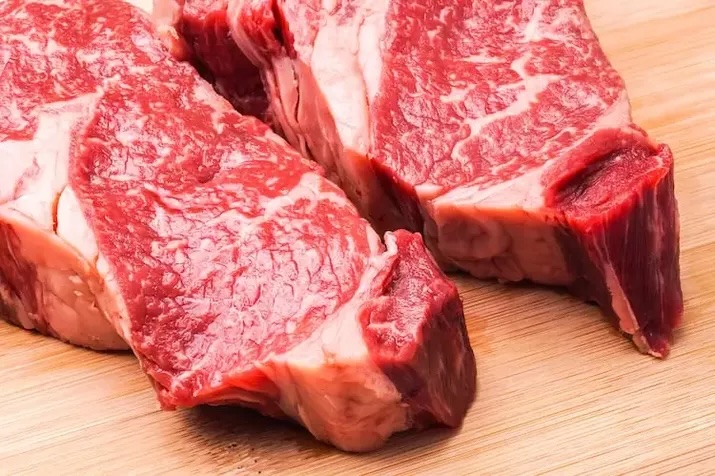
1. Red Meat
Why it’s harmful: Consuming too much red meat, such as beef and pork, has been linked to an increased risk of prostate issues, including cancer. Studies have shown that high consumption of red and processed meats can lead to higher levels of compounds that may encourage cancer development.
Healthy alternative: Opt for lean proteins like fresh chicken, turkey, and beef liver. These options provide high-quality protein without the potentially harmful effects of red meat.
Reference: According to Harvard Health, reducing red meat consumption and increasing plant-based foods can lower cancer risk Dairy Products
Why it’s harmful: High consumption of dairy products like cheese, milk, and yogurt has been associated with an elevated risk of prostate cancer. This may be due to the hormones and saturated fats found in dairy products, which could stimulate prostate cell growth or inflammation.
Healthy alternative: Moderating dairy intake or switching to plant-based dairy substitutes like almond milk or coconut yogurt can help. Incorporating non-dairy sources of calcium, such as leafy greens or fortified foods, is also beneficial.
Reference: A study in the American Journal of Clinical Nutrition suggests that men who consume large amounts of dairy may face a higher risk of prostate cancer .
Why it’s harmful: Drinking alcohol, especially in excess, can irritate the bladder and exacerbate prostate symptoms like frequent urination. Heavy alcohol use has been linked to lower urinary tract symptoms, which can worsen prostate health over time.
Healthy alternative: Reducing alcohol intake or switching to alcohol-free alternatives like sparkling water can benefit both your prostate and overall well-being.
Reference: Research published in Urology shows that alcohol exacerbates lower urinary tract symptoms associated with prostate problems .
4. Proce
Why it’s harmful: Processed foods often contain high levels of preservatives, unhealthy fats, and salt, which can lead to inflammation and oxidative stress. These factors contribute to the deterioration of prostate health, potentially increasing the risk of prostate diseases.
Healthy alternative: Replace processed foods with fresh, whole foods such as vegetables, fruits, whole grains, and lean meats. These foods provide essential nutrients that support prostate health.
Reference: The World Journal of Urology highlights that a diet high in processed foods is associated with a greater risk of prostate cancer .
5. Sugary Foods aes
Why it’s harmful: Excessive sugar intake is not only detrimental to overall health but also contributes to obesity, a known risk factor for prostate issues. Sugary foods and beverages, such as soda and candy, can promote inflammation and insulin resistance, which may negatively impact prostate function.
Healthy alternative: Opt for natural sweeteners like honey or fresh fruits, which offer sweetness without the negative side effects of refined sugar.
Reference: A study published in Cancer Causes & Control shows that high sugar consumption is associated with an increased risk of developing prostate cancer .
Conclusion
Prostate health influenced by what you eat and drink. Limiting red meat, dairy, alcohol, processed foods, and sugary items can significantly reduce your risk of prostate issues. By making healthier food choices such as lean proteins, plant-based dairy alternatives, and whole foods, you can support long-term prostate health and well-being.
For more insights on improving prostate health through diet, you can explore these trusted health sources: Harvard Health, American Cancer Society, and WebMD.
https://babacares.com.131-153-147-50.cpanel.site/blog-details?details=128&title=Foods+That+Harm+Prostate+Health%3A+What+to+Avoid+for+Better+Prostate+Care.










Comments