

Harmful Beverages for Arthritis: What to Avoid for Joint Health.
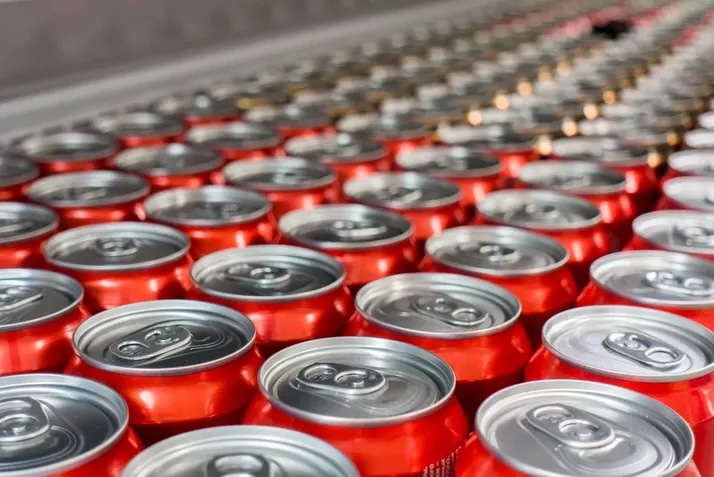
If you suffer from arthritis, certain beverages can exacerbate symptoms by increasing inflammation, triggering pain, or contributing to joint degeneration. Here's a guide to drinks you should limit or avoid:
1. Sugary Drinks (Sodas and Sweetened Juices)
Sugary beverages, including soft drinks and fruit juices with added sugars, can promote inflammation in the body. Excess sugar consumption has been linked to higher levels of inflammatory markers, such as C-reactive protein (CRP), which worsens arthritis symptoms.
2. Alcohol
Excessive alcohol intake can contribute to inflammation and worsen arthritis pain, particularly for those with gouty arthritis, as alcohol can elevate uric acid levels, leading to gout flare-ups. Alcohol can also interact with medications often used for arthritis, such as NSAIDs, leading to increased gastrointestinal issues.
3. Coffee (in Excess)
While moderate coffee consumption may have some health benefits, excessive caffeine can reduce the absorption of calcium, which is essential for bone health. Over time, this could increase the risk of osteoporosis and joint issues.
4. Energy Drinks
These beverages are packed with caffeine and sugar, both of which can contribute to inflammation and joint pain. They can also disrupt sleep, which is vital for joint recovery and managing arthritis symptoms.
5. Certain Teas with Additives
While plain green and herbal teas can offer anti-inflammatory benefits, certain bottled or instant teas loaded with sugar and artificial ingredients can worsen inflammation. Always check the ingredients and opt for pure, unsweetened teas.
6. Milk (for Some People)
For those with lactose intolerance or a dairy sensitivity, milk can trigger inflammation. This may not affect everyone with arthritis, but some people find that eliminating dairy helps reduce joint pain.
Conclusion
Avoiding or limiting these beverages can help manage arthritis symptoms by reducing inflammation and supporting overall joint health.
References:
- Harvard Medical School. (n.d.). "Foods that fight inflammation." Retrieved from https://www.health.harvard.edu/staying-healthy/foods-that-fight-inflammation
- Arthritis Foundation. (n.d.). "The best and worst drinks for arthritis." Retrieved from https://www.arthritis.org/
https://babacares.com.131-153-147-50.cpanel.site/blog-details?details=136&title=Harmful+Beverages+for+Arthritis%3A+What+to+Avoid+for+Joint+Health.







Comments