

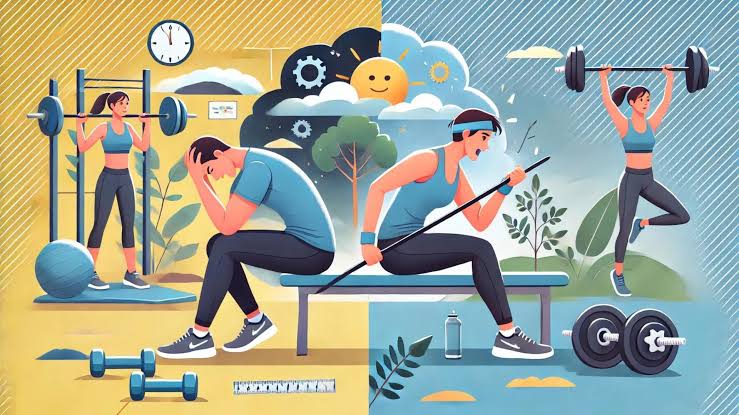
The link between mental and physical health is a dynamic and complex relationship that profoundly impacts overall well-being. Increasingly, research highlights that our mental state influences physical health, and vice versa. Understanding this connection can lead to more effective strategies for maintaining a healthy, balanced life. Here’s an exploration of how mental and physical health are intertwined and the benefits of addressing both simultaneously.
51. The Mind-Body Link
The mind-body connection refers to how mental processes, such as thoughts and emotions, can affect physical health. Conversely, physical health problems can influence mental states. This connection is evident through various physiological and psychological mechanisms:
• Stress Response: Chronic stress can trigger the body's “fight or flight” response, releasing hormones like cortisol and adrenaline. Prolonged stress exposure can lead to physical issues such as hypertension, cardiovascular diseases, and weakened immune function.
• Mental Health Disorders: Conditions like depression and anxiety can manifest as physical symptoms, including fatigue, headaches, and digestive issues. These disorders can alter brain chemistry, affecting bodily functions.
52. Physical Health Influencing Mental Well-Being
Engaging in regular physical activity has profound effects on mental health. Exercise releases endorphins and other chemicals that improve mood and reduce symptoms of anxiety and depression. Physical health practices such as a balanced diet and adequate sleep also support cognitive functions and emotional stability.
• Exercise: Regular exercise has been shown to alleviate symptoms of depression and anxiety. It promotes the release of neurotransmitters like serotonin and dopamine, which enhance mood and emotional resilience.
• Nutrition: A well-balanced diet rich in essential nutrients supports brain health and cognitive functions. For example, omega-3 fatty acids found in fish have been linked to reduced risk of depression.
• Sleep: Quality sleep is crucial for mental health. Sleep deprivation can exacerbate mental health issues and impair cognitive functions, while proper rest supports emotional regulation and stress management.
According to the World Health Organization (WHO), there is a significant connection between mental and physical health, with studies indicating that mental health disorders can lead to physical health issues and vice versa. This bidirectional relationship emphasizes the importance of a holistic approach to health that integrates both mental and physical well-being (WHO, 2021).
Reference:
World Health Organization. (2021). Mental Health: Strengthening Our Response. WHO.
https://babacares.com.131-153-147-50.cpanel.site/blog-details?details=140&title=The+Connection+Between+Mental+and+Physical+Health.







Ready to power your website growth? Our smart AI technology attracts targeted website traffic through keywords or place-based filters from global areas to towns. Aiming at increased earnings, active engagement, or a stronger digital presence? We fine-tune it to fit your objectives. Enjoy a 7-day free trial period with no contract. Join here: https://ow.ly/W8hy50Vvbm9
Malinda Propsting
Jun 03, 2025