

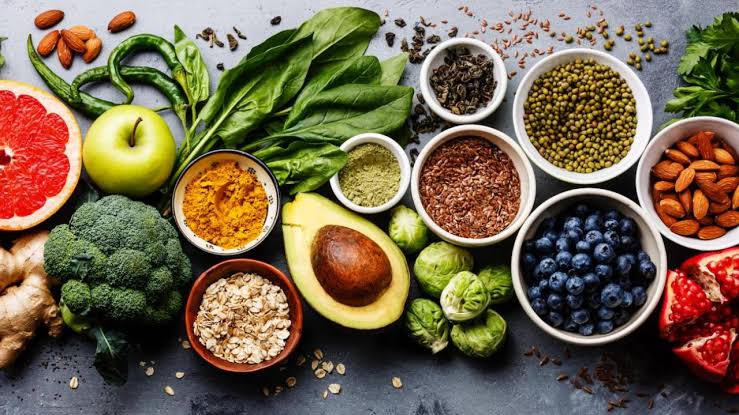
Embarking on a plant-based diet can be a transformative journey towards better health, environmental sustainability, and ethical living. Whether you're motivated by health concerns, a desire to reduce your ecological footprint, or ethical considerations regarding animal welfare, transitioning to a plant-based diet is a rewarding endeavor. However, making the shift can seem daunting with the abundance of information and new choices to navigate. This guide is designed to simplify the process and provide you with practical steps to get started on your plant-based journey. From understanding the fundamentals of plant-based nutrition to exploring delicious recipes and tips for a smooth transition, this guide will help you embrace a plant-based lifestyle with confidence and ease.
20. Educate Yourself
Begin by familiarizing yourself with the principles of a plant-based diet. Understanding the nutritional needs of your body and how to meet them through plant-based foods is essential. Research reputable sources, read books, or consult with a registered dietitian to gain insights into balanced plant-based nutrition.
21. Start Slowly
Transitioning to a plant-based diet doesn’t have to be an all-or-nothing approach. Start by gradually incorporating more plant-based meals into your diet. Begin with one or two meatless days a week and slowly increase the number as you become more comfortable with plant-based cooking.
22. Plan Balanced Meals
Ensure that your plant-based diet includes a variety of nutrient-dense foods. Aim to incorporate a wide range of fruits, vegetables, whole grains, legumes, nuts, and seeds. Pay attention to getting sufficient protein, iron, calcium, and vitamin B12, which are important for overall health. Foods like lentils, chickpeas, quinoa, and fortified plant-based milk can help meet these nutritional needs.
23. Experiment with New Recipes
One of the joys of a plant-based diet is discovering new recipes and flavors. Experiment with plant-based versions of your favorite dishes, such as vegetable stir-fries, lentil soups, or tofu-based tacos. Explore different cuisines, like Mediterranean, Asian, or Middle Eastern, which often feature a wide array of plant-based options.
24. Read Labels Carefully
When shopping for packaged foods, check the labels to ensure they align with your plant-based goals. Look for products that are free from animal-derived ingredients and high in nutrients. Be mindful of hidden animal products like gelatin or casein, which can be found in some processed foods.
25. Join a Community
Connecting with others who follow a plant-based diet can provide valuable support and inspiration. Join online forums, social media groups, or local meetups to share recipes, tips, and experiences. Engaging with a community can help you stay motivated and make the transition smoother.
26. Listen to Your Body
As you transition to a plant-based diet, pay attention to how your body responds. Ensure that you’re getting the nutrients you need and make adjustments as necessary. If you have specific health concerns or dietary needs, consider consulting a healthcare professional or dietitian to ensure your diet remains balanced and effective.
Embracing a plant-based diet can offer numerous health, environmental, and ethical benefits. By starting with small, manageable changes and focusing on a balanced, nutrient-rich approach, you can successfully transition to a plant-based lifestyle. With time and exploration, you’ll discover a variety of delicious and satisfying plant-based options that support your health and well-being while contributing positively to the planet.
According to the Journal of the American College of Nutrition, transitioning to a plant-based diet is associated with numerous health benefits, including lower risks of heart disease and obesity. Additionally, such diets contribute to environmental sustainability by reducing greenhouse gas emissions and resource use. This lifestyle choice also aligns with ethical considerations regarding animal welfare (American College of Nutrition, 2020).
Reference:
American College of Nutrition. (2020). The Health and Environmental Benefits of Plant-Based Diets. Journal of the American College of Nutrition.
https://babacares.com.131-153-147-50.cpanel.site/blog-details?details=141&title=How+to+Get+Started+with+a+Plant-Based+Diet%3A+A+Practical+Guide+to+Embracing+Plant-Based+Eating











Comments