

Best Foods for Blood Group AB: Nourish Your Body.
Overview of Blood Group AB.
Individuals with blood group AB are often considered the most versatile in terms of diet. They can benefit from a diverse range of foods, including both animal and plant-based options. This flexibility allows them to create a well-rounded, nutritious diet that supports optimal health.
Foods That Are Good for People with Blood Group AB
- Meat and Poultry
-
- Examples: Lamb, turkey, and rabbit
- Benefits: These lean meats provide high-quality protein and essential nutrients without the inflammatory effects associated with certain red meats.
- Seafood
-
- Examples: Salmon, sardines, and mackerel
- Benefits: Rich in omega-3 fatty acids, these fish promote heart health and reduce inflammation.
- Dairy Products
-
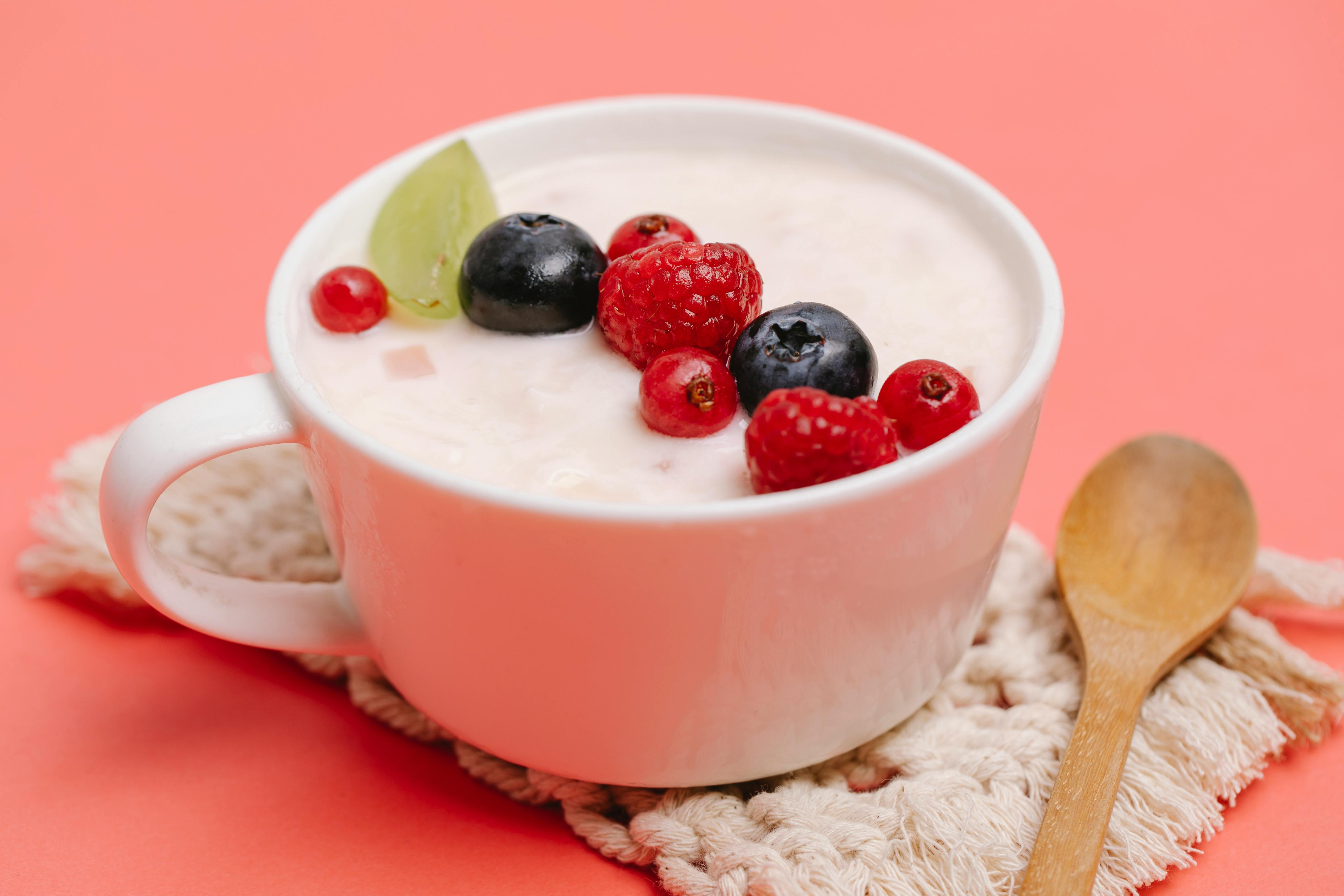
- Examples: Yogurt, kefir, and cheese
- Benefits: These provide probiotics and calcium, which support digestive health and bone density.
- Fruits
-
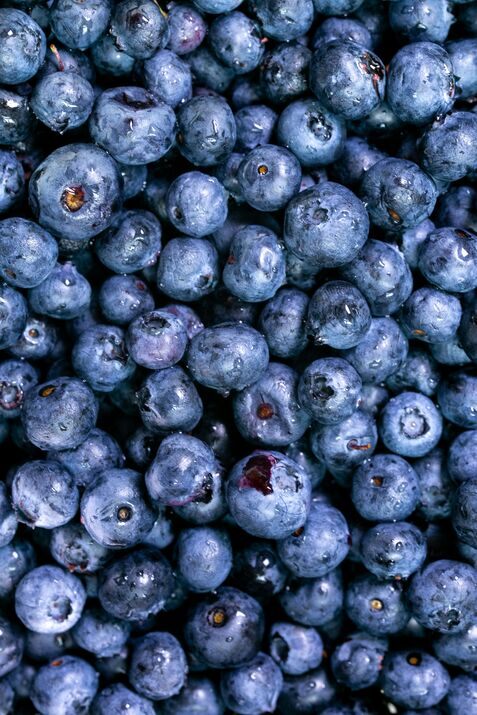
- Examples: Berries, grapes, and cherries
- Benefits: These fruits are rich in antioxidants and vitamins, supporting overall health and immune function.
- Vegetables
-
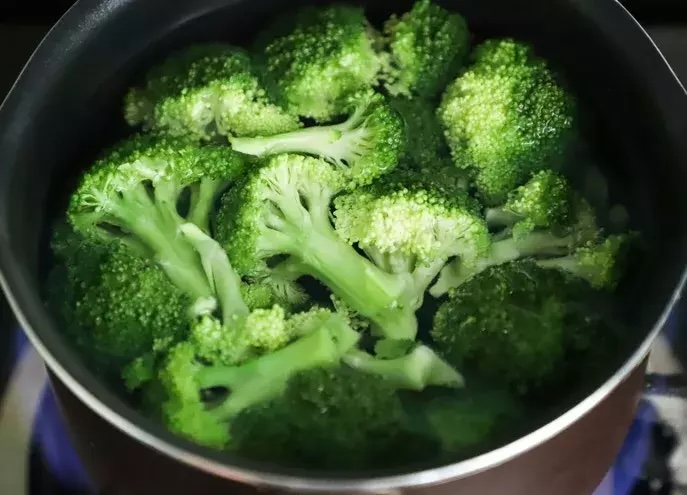
- Examples: Broccoli, spinach, and carrots
- Benefits: Nutrient-dense vegetables provide fiber, vitamins, and minerals essential for maintaining good health.
- Grains
-
- Examples: Oats, quinoa, and rice
- Benefits: These whole grains offer complex carbohydrates and fiber, promoting stable energy levels.
- Legumes
-
- Examples: Lentils, black beans, and chickpeas
- Benefits: High in protein and fiber, legumes are an excellent source of plant-based nutrition.
- Nuts and Seeds
-
- Examples: Almonds, walnuts, and pumpkin seeds
- Benefits: These provide healthy fats, protein, and essential vitamins and minerals that support heart health.
- Herbs and Spices
-
- Examples: Garlic, ginger, and turmeric
- Benefits: These natural anti-inflammatories can enhance flavor and provide various health benefits.
Conclusion
Incorporating these foods into the diet can help individuals with blood group AB maintain optimal health and well-being. As always, it's advisable to consult with a healthcare provider or registered dietitian before making significant dietary changes.
References
https://babacares.com.131-153-147-50.cpanel.site/blog-details?details=149&title=Best+Foods+for+Blood+Group+AB%3A+Nourish+Your+Body.









Comments