

Foods to Avoid for Blood Group O: Safeguard Your Health.
Overview of Blood Group O
Individuals with blood group O have specific dietary needs that can significantly impact their health. Certain foods may cause digestive issues or inflammation, making it essential for blood type O individuals to be mindful of their dietary choices.
Foods That Are Not Good for People with Blood Group O
- Dairy Products
-
- Why to Avoid: Many individuals with blood type O may experience digestive discomfort due to lactose intolerance, making dairy products like milk, cheese, and yogurt unsuitable.
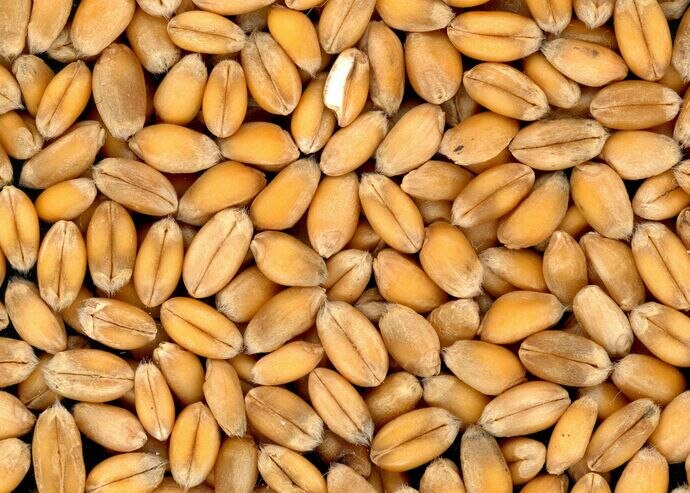
- Wheat and Gluten
-
- Why to Avoid: Wheat products can lead to digestive issues and inflammation in blood type O individuals, disrupting their metabolism.
- Corn
-
- Why to Avoid: Corn and corn products can negatively affect insulin levels and contribute to weight gain, making them less favorable for those with blood type O.
- Processed Foods
-
- Why to Avoid: Foods high in preservatives, additives, and refined sugars can cause inflammation and disrupt overall health for blood group O.
- Legumes
-
- Examples: Lentils, peanuts, and chickpeas
- Why to Avoid: While some legumes are generally healthy, they can cause digestive discomfort and bloating for blood type O individuals.
- Certain Vegetables
-
- Examples: Cabbage, Brussels sprouts, and cauliflower
- Why to Avoid: These cruciferous vegetables may lead to digestive problems for individuals with blood type O.
- Certain Fish
-
- Examples: Catfish and other freshwater fish
- Why to Avoid: These fish can be harder to digest and may cause allergic reactions in some blood type O individuals.
- Nightshade Vegetables
-
- Examples: Potatoes, tomatoes, and eggplants
- Why to Avoid: Nightshade vegetables can lead to inflammation and joint pain for those with blood group O.
Conclusion
Avoiding these specific foods can help individuals with blood group O maintain better health and prevent potential digestive and inflammatory issues. Consulting with a healthcare professional or registered dietitian before making significant dietary changes is always advisable.
References:
https://babacares.com.131-153-147-50.cpanel.site/blog-details?details=152&title=Foods+to+Avoid+for+Blood+Group+O%3A+Safeguard+Your+Health.









Comments