

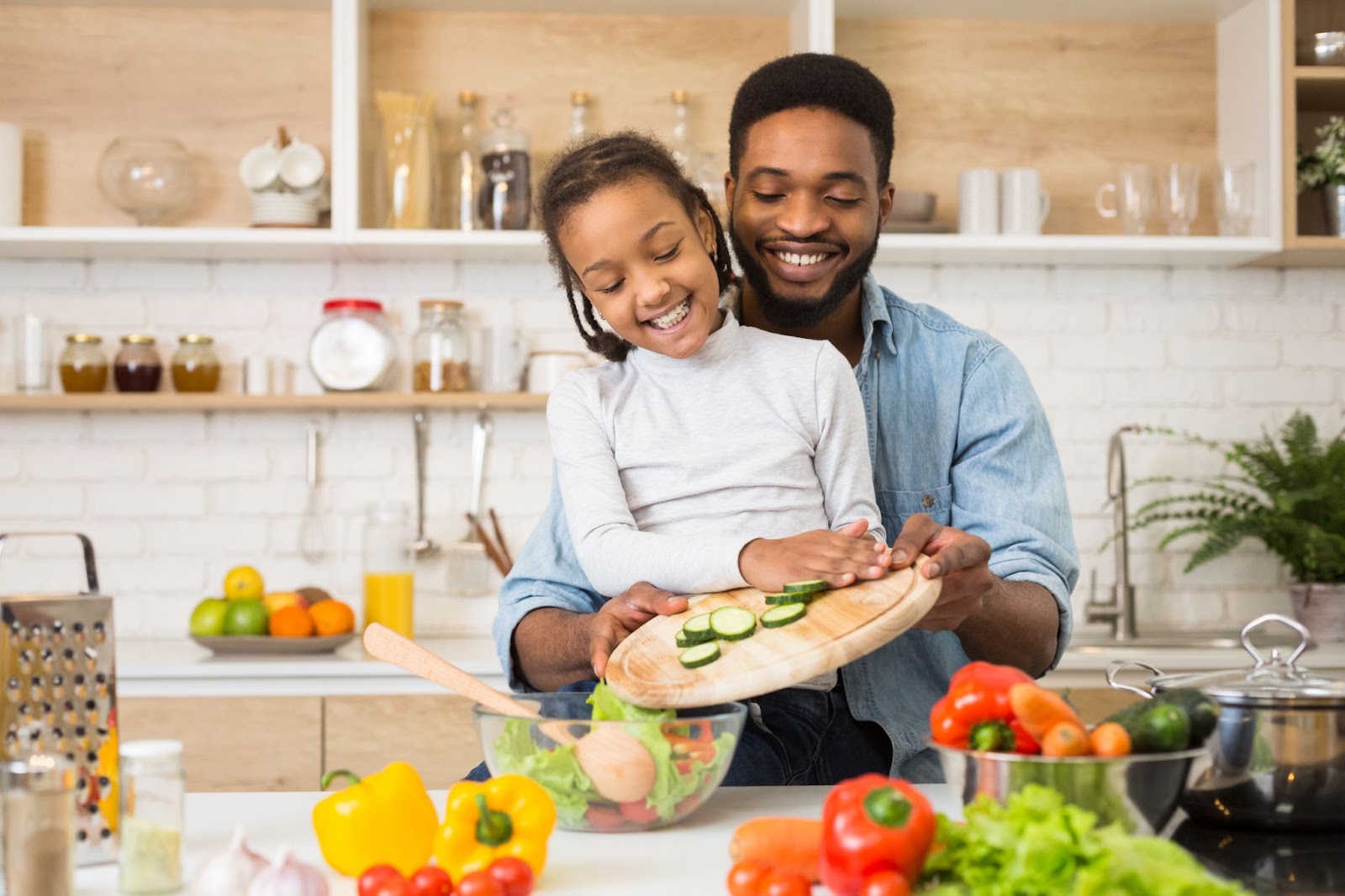
Developing a healthy relationship with food is essential for overall well-being, both physically and emotionally. In a world where diet culture and restrictive eating patterns often dominate, it’s crucial to focus on nurturing a balanced and positive attitude toward food. Building a healthy relationship with food involves practicing mindful eating, steering clear of restrictive diets, and fostering a positive body image. This article explores strategies to help you cultivate a healthier, more fulfilling relationship with food.
1. Embrace Mindful Eating
- Pay Attention to Hunger and Fullness Cues: Mindful eating involves tuning into your body’s hunger and fullness signals. Eat when you’re genuinely hungry and stop when you’re comfortably full. This approach helps you avoid overeating and ensures you’re eating in response to physical needs rather than emotional triggers.
- Savor Your Food: Take the time to enjoy each bite by savoring the flavors, textures, and aromas of your meals. Eating slowly and mindfully allows you to fully appreciate your food, enhances satisfaction, and helps prevent mindless snacking.
- Minimize Distractions: Try to eat without distractions such as television, smartphones, or computers. Focusing on your meal helps you become more aware of what you’re eating and how much, which can improve your relationship with food and support healthier eating habits.
- Practice Gratitude: Take a moment to appreciate the effort that went into preparing your meal and the nourishment it provides. Cultivating a sense of gratitude for your food can help foster a more positive and mindful eating experience.
2. Avoid Restrictive Diets
- Steer Clear of All-or-Nothing Mentalities: Restrictive diets that promote rigid rules or extreme limitations can create a cycle of deprivation and binge eating. Instead of focusing on restrictions, aim for a balanced approach that includes a variety of foods and allows for flexibility.
- Focus on Nutritional Balance: Rather than adhering to restrictive diets, concentrate on incorporating a range of nutrient-dense foods into your meals. Include fruits, vegetables, whole grains, lean proteins, and healthy fats to ensure you’re meeting your nutritional needs without feeling deprived.
- Allow for Indulgences: It’s important to recognize that occasional indulgences are a normal part of a healthy diet. Allowing yourself to enjoy treats in moderation can prevent feelings of guilt or shame and contribute to a more balanced and enjoyable relationship with food.
- Reject Diet Culture: Challenge the notion that certain foods are “good” or “bad.” Instead, focus on how different foods make you feel and how they contribute to your overall health and enjoyment. Embrace the idea that all foods can fit into a healthy eating pattern when consumed mindfully.
3. Foster a Positive Attitude Toward Food and Body Image
- Cultivate Body Positivity: Shift your focus from appearance-based goals to health and well-being. Celebrate your body’s capabilities and strengths rather than its size or shape. Practice self-compassion and avoid negative self-talk related to body image.
- Challenge Negative Food Beliefs: Address and reframe any negative beliefs you may have about food or eating. Recognize that food is not inherently moral or immoral; it is a source of nourishment and enjoyment. Aim to view food as a positive part of your life rather than a source of guilt or anxiety.
- Build a Supportive Environment: Surround yourself with people who support your journey towards a healthy relationship with food. Engage in positive conversations about body image and nutrition, and seek out communities or resources that align with your values of balanced eating and self-acceptance.
- Focus on Health Rather Than Weight: Emphasize overall health and well-being rather than weight or appearance. Prioritize behaviors that contribute to physical and mental health, such as regular physical activity, balanced nutrition, and adequate sleep.
- Seek Professional Guidance if Needed: If you find it challenging to build a healthy relationship with food on your own, consider seeking support from a registered dietitian, therapist, or counselor. These professionals can provide personalized guidance and strategies to address emotional eating patterns, body image issues, and other concerns.
4. Practical Tips for Daily Implementation
- Create Balanced Meals: Plan meals that include a variety of food groups to ensure you’re meeting your nutritional needs. A balanced plate might consist of lean protein, whole grains, healthy fats, and a colorful array of fruits and vegetables.
- Develop a Routine: Establish regular meal and snack times to help regulate your eating patterns and prevent extreme hunger or overeating. Consistency can contribute to a more balanced and mindful approach to eating.
- Engage in Positive Self-Care: Practice self-care activities that promote well-being and reduce stress, such as exercise, meditation, or hobbies. Positive self-care supports a healthy mindset and enhances your relationship with food.
- Keep a Food Journal: If it helps, maintain a food journal to track your eating patterns, emotions, and physical sensations related to food. This practice can increase self-awareness and provide insights into your eating habits and relationship with food.
According to the American Psychological Association (APA), cultivating a positive relationship with food can lead to better health outcomes and improved emotional well-being. This includes recognizing hunger cues, enjoying a variety of foods without guilt, and understanding the emotional aspects of eating (APA, 2020).
Reference:
American Psychological Association. (2020). Mindful Eating: A Guide to Developing a Healthy Relationship with Food. APA.
https://babacares.com.131-153-147-50.cpanel.site/blog-details?details=157&title=How+to+Build+a+Healthy+Relationship+with+Food











Comments