

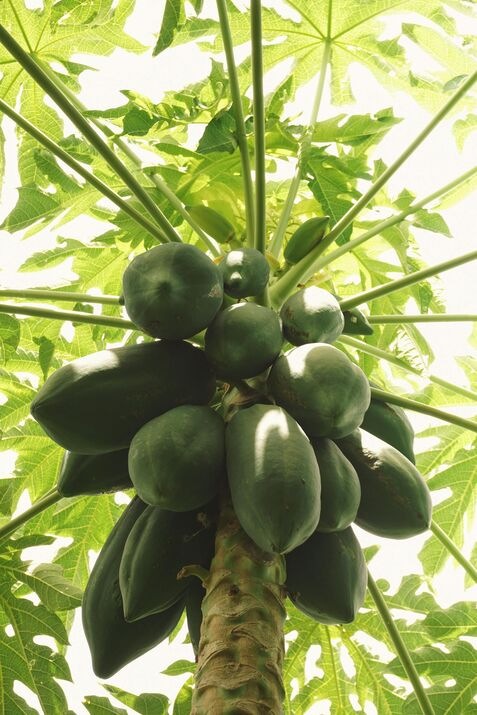
Pawpaw: A Nutritional Powerhouse with Health Benefits and Disease-Fighting Properties
Pawpaw, also known as papaya (Carica papaya), is a tropical fruit celebrated for its sweet flavor, vibrant color, and impressive nutritional profile. Beyond its delicious taste, pawpaw is packed with vitamins, minerals, and enzymes that contribute to numerous health benefits. This article will explore the health benefits of pawpaw and the diseases it may help prevent or manage, backed by scientific references.
Nutritional Profile of Pawpaw
Pawpaw is a nutrient-dense fruit rich in:
- Vitamin C: Supports immune function and skin health.
- Vitamin A: Essential for vision and maintaining healthy skin and mucous membranes.
- Folate: Important for DNA synthesis and repair, making it vital during pregnancy.
- Potassium: Helps regulate blood pressure and fluid balance.
- Fiber: Promotes digestive health and aids in weight management.
- Antioxidants: Contains compounds like carotenoids, which protect against oxidative stress.
Health Benefits of Pawpaw
- Digestive Health
Pawpaw is rich in dietary fiber and the enzyme papain, which aids digestion by breaking down proteins. Consuming pawpaw can help alleviate digestive issues such as bloating, constipation, and indigestion.
- Reference:
- Journal of Medicinal Food: Discusses the digestive benefits of papaya and its enzymes.
- Journal of Medicinal Food
- Boosts Immunity
The high vitamin C content in pawpaw plays a crucial role in strengthening the immune system. Regular consumption of pawpaw can enhance the body’s ability to fend off infections and diseases.
- Reference:
- Nutrients Journal: A review of the role of vitamin C in immune function.
- Nutrients Journal
- Anti-Inflammatory Properties
Pawpaw contains several anti-inflammatory compounds, which may help reduce inflammation in the body. This can be beneficial for individuals suffering from chronic inflammatory conditions such as arthritis.
- Reference:
- International Journal of Molecular Sciences: Explores the anti-inflammatory properties of papaya extracts.
- IJMS on Papaya and Inflammation
- Heart Health
Pawpaw is rich in antioxidants, particularly carotenoids, which can help reduce oxidative stress and lower the risk of heart disease. The potassium content also contributes to maintaining healthy blood pressure levels.
- Reference:
- American Journal of Clinical Nutrition: Discusses the link between fruit consumption, including papaya, and cardiovascular health.
- AJCN on Fruit and Heart Health
- Cancer Prevention
Some studies suggest that the antioxidants and phytochemicals in pawpaw may help reduce the risk of certain cancers by neutralizing free radicals and inhibiting cancer cell growth.
- Reference:
- Food Chemistry: Investigates the potential anticancer effects of pawpaw.
- Food Chemistry on Anticancer Effects
- Skin Health
The vitamins and enzymes in pawpaw contribute to skin health. Vitamin A promotes skin cell turnover, while papain can help exfoliate dead skin cells, leading to a clearer complexion.
- Reference:
- Journal of Dermatological Science: Reviews the benefits of natural fruits, including papaya, for skin health.
- Journal of Dermatological Science
Conclusion
Pawpaw is a versatile fruit that not only adds flavor to your diet but also offers a multitude of health benefits. From aiding digestion and boosting immunity to providing anti-inflammatory effects and supporting heart health, the benefits of pawpaw make it a valuable addition to a balanced diet. Incorporating pawpaw into your meals can help prevent and manage various diseases, contributing to overall health and well-being.
References
- Journal of Medicinal Food: Journal of Medicinal Food
- Nutrients Journal: Nutrients Journal
- International Journal of Molecular Sciences: IJMS on Papaya and Inflammation
- American Journal of Clinical Nutrition: AJCN on Fruit and Heart Health
- Food Chemistry: Food Chemistry on Anticancer Effects
- Journal of Dermatological Science: Journal of Dermatological Science
https://babacares.com.131-153-147-50.cpanel.site/blog-details?details=169&title=Pawpaw%3A+A+Nutritional+Powerhouse+with+Health+Benefits+and+Disease-Fighting+Properties











Comments