

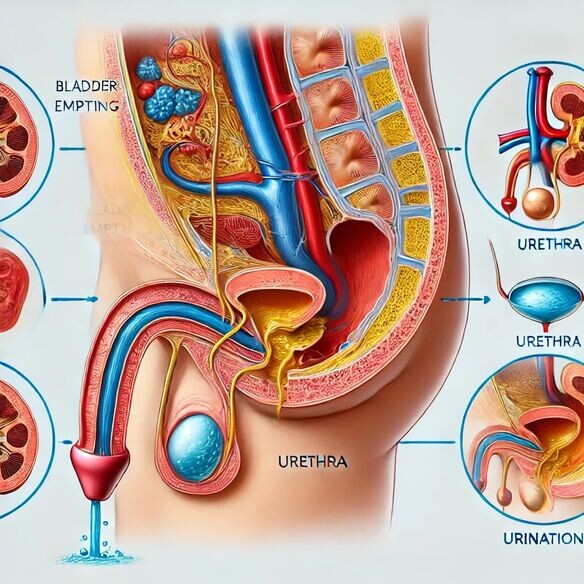
Don’t Wait Until You’re Pressed: The Importance of Regularly Emptying Your Bladder.
When it comes to bathroom habits, many people often find themselves waiting until the last minute to relieve themselves. Whether it’s due to a busy schedule, social settings, or simply not wanting to interrupt an activity, holding in urine can lead to various health issues. This article will explore the importance of not waiting until you're pressed to pee, the health risks associated with holding it in, and tips for maintaining a healthy bladder routine.
Understanding the Bladder
The bladder is a muscular sac that stores urine until it is ready to be expelled from the body. A healthy bladder can typically hold about 16 ounces (approximately 500 milliliters) of urine comfortably. However, as the bladder fills, nerve signals inform the brain of the need to urinate. Ignoring these signals can lead to discomfort and potential health issues.
Health Risks of Holding in Urine
- Increased Risk of Urinary Tract Infections (UTIs): Holding urine for prolonged periods can create a breeding ground for bacteria, increasing the risk of UTIs. Regularly emptying your bladder helps flush out bacteria and keeps your urinary system healthy.
-
- Reference:
- American Urological Association: Discusses the link between bladder health and urinary infections.
- AUA on UTI Prevention
- Bladder Stretching: Frequently holding in urine can stretch the bladder muscles, potentially leading to bladder dysfunction. Over time, this can cause problems with bladder control.
-
- Reference:
- National Institute of Diabetes and Digestive and Kidney Diseases (NIDDK): Provides information on bladder function and urinary health.
- NIDDK on Bladder Health
- Kidney Damage: In severe cases, consistently ignoring the urge to urinate can lead to kidney damage due to the backflow of urine into the kidneys. This condition, known as hydronephrosis, can lead to serious health complications.
-
- Reference:
- Cleveland Clinic: Explains how urine retention can affect kidney health.
- Cleveland Clinic on Kidney Health
- Discomfort and Pain: Waiting too long to urinate can lead to discomfort, bladder spasms, and abdominal pain. This discomfort can be distracting and negatively impact your daily activities.
Tips for Maintaining a Healthy Bladder Routine
- Listen to Your Body: Pay attention to your body's signals. If you feel the urge to urinate, it’s important to respond promptly rather than waiting until you’re uncomfortable.
- Set Regular Breaks: If you work in an environment that encourages long periods of sitting, set a timer to remind yourself to take regular breaks to use the restroom.
- Stay Hydrated: Drink plenty of fluids throughout the day, as staying hydrated helps ensure a healthy urinary system. Aim for at least 8 glasses of water daily, depending on individual needs.
- Practice Good Bathroom Habits: When using the restroom, take your time to fully empty your bladder. Avoid rushing, as this can lead to incomplete urination.
Conclusion
Waiting until you're pressed to pee may seem like a minor issue, but it can have significant implications for your bladder health. Regularly emptying your bladder not only helps prevent discomfort and health complications but also contributes to overall urinary health. By listening to your body's signals and maintaining healthy bathroom habits, you can support your bladder's function and reduce the risk of urinary tract infections and other related health issues.
References
- American Urological Association: AUA on UTI Prevention
- National Institute of Diabetes and Digestive and Kidney Diseases (NIDDK): NIDDK on Bladder Health
- Cleveland Clinic: Cleveland Clinic on Kidney Health
https://babacares.com.131-153-147-50.cpanel.site/blog-details?details=171&title=Don%E2%80%99t+Wait+Until+You%E2%80%99re+Pressed%3A+The+Importance+of+Regularly+Emptying+Your+Bladder.%C2%A0









Comments