

Top 12 Common Foods and Drinks That Are Slowly Killing You.
Many things we consume daily can harm our health if consumed excessively or over time. Here are several examples:
- Excessive Sugar: Found in sugary drinks, desserts, and processed foods, high sugar intake can lead to obesity, diabetes, heart disease, and dental problems.
- Processed Foods: Packed with unhealthy fats, sugars, and preservatives, processed foods increase the risk of heart disease, high blood pressure, and metabolic disorders.
- Trans Fats: Found in fried foods, baked goods, and margarine, trans fats raise bad cholesterol levels, increasing the risk of heart disease and stroke.
- Salt (Sodium): Excessive salt, especially from processed foods, can lead to high blood pressure, heart disease, and kidney issues.
- Alcohol: Regular or heavy alcohol consumption can cause liver damage, heart disease, and increase the risk of cancers. It also negatively affects mental health.
- Caffeine: While moderate caffeine is generally safe, excessive intake can lead to anxiety, insomnia, digestive issues, and heart problems.
- Artificial Sweeteners: Though marketed as a healthier alternative, overuse of artificial sweeteners can disrupt metabolism and may increase cravings for sugary foods, leading to weight gain and other health issues.
- Red and Processed Meat: Frequent consumption of red and processed meats is linked to higher risks of heart disease, cancer (especially colorectal cancer), and other chronic diseases.
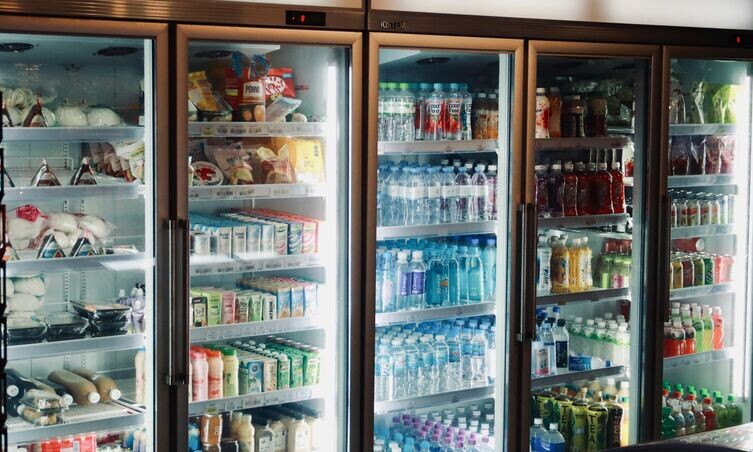
- Soft Drinks: Full of sugar or artificial sweeteners, soft drinks can lead to obesity, diabetes, and other metabolic disorders.
- 10.Energy Drinks: High in sugar and caffeine, energy drinks can cause heart issues, high blood pressure, anxiety, and other health problems.
- 11. Highly Refined Carbohydrates: White bread, pastries, and other refined carbs can spike blood sugar levels, contributing to insulin resistance, diabetes, and weight gain.
- 12.Tobacco (via Smoking or Chewing): Though not a food, tobacco is consumed by millions daily, leading to lung cancer, heart disease, and respiratory illnesses.
https://babacares.com.131-153-147-50.cpanel.site/blog-details?details=172&title=Top+12+Common+Foods+and+Drinks+That+Are+Slowly+Killing+You.










Comments