

The Harmful Effects of Alcohol, Caffeine, and Processed Foods on Health
Our modern diets often include alcohol, caffeine, and processed foods in various forms. While these may be consumed frequently, they can have significant harmful effects on our health when consumed in excess. From impairing liver function to disrupting sleep and metabolic processes, these substances can lead to chronic health issues and diseases.
1. Alcohol and Its Health Risks
Alcohol is one of the most widely consumed psychoactive substances in the world. While moderate consumption is often deemed acceptable, excessive intake poses severe health risks.
- Liver Damage: Chronic alcohol consumption is a leading cause of liver disease, including fatty liver, alcoholic hepatitis, fibrosis, and cirrhosis. The liver metabolizes alcohol, and over time, excessive alcohol consumption can lead to inflammation, scarring, and irreversible damage to the liver.
- Reference: Rehm, J., & Shield, K. D. (2013). Alcohol and mortality: global alcohol-attributable deaths from cancer, liver cirrhosis, and injury in 2010. International Journal of Alcohol and Drug Research, 2(1), 76-87. https://doi.org/10.7895/ijadr.v2i1.155
- Increased Cancer Risk: Alcohol consumption is linked to several types of cancers, including those of the liver, breast, colon, and esophagus. Alcohol is a known carcinogen, and even moderate consumption can increase the risk of developing cancer.
- Reference: Bagnardi, V., Blangiardo, M., La Vecchia, C., & Corrao, G. (2001). A meta-analysis of alcohol drinking and cancer risk. British Journal of Cancer, 85(11), 1700-1705. https://doi.org/10.1054/bjoc.2001.2118
- Cardiovascular Disease: While some studies suggest that moderate alcohol consumption might have protective effects against heart disease, heavy drinking can lead to high blood pressure, cardiomyopathy, arrhythmias, and an increased risk of heart attacks and strokes.
- Reference: Piano, M. R. (2017). Alcohol's effects on the cardiovascular system. Alcohol Research: Current Reviews, 38(2), 219-241. https://doi.org/10.35946/arcr.v38.2.04
2. Caffeine and Its Impact on Health
Caffeine is widely consumed in the form of coffee, tea, and energy drinks. While it is known for its stimulating effects, overconsumption can lead to various health issues.
- Sleep Disruption: Caffeine is a central nervous system stimulant that can interfere with sleep patterns, leading to insomnia or poor sleep quality. Disrupted sleep can negatively impact cognitive function, mood, and overall well-being.
- Reference: Drake, C., Roehrs, T., Shambroom, J., & Roth, T. (2013). Caffeine effects on sleep taken 0, 3, or 6 hours before going to bed. Journal of Clinical Sleep Medicine, 9(11), 1195-1200. https://doi.org/10.5664/jcsm.3170
- Increased Anxiety and Heart Palpitations: High caffeine intake can lead to increased anxiety, jitteriness, and heart palpitations. It increases heart rate and blood pressure, which may exacerbate underlying cardiovascular conditions.
- Reference: Lara, D. R. (2010). Caffeine, mental health, and psychiatric disorders. Journal of Alzheimer’s Disease, 20(s1), S239-S248. https://doi.org/10.3233/JAD-2010-091249
- Dependency and Withdrawal: Regular caffeine consumption can lead to dependency, with withdrawal symptoms such as headaches, irritability, and fatigue appearing when caffeine is not consumed.
- Reference: Juliano, L. M., & Griffiths, R. R. (2004). A critical review of caffeine withdrawal: empirical validation of symptoms and signs, incidence, severity, and associated features. Psychopharmacology, 176(1), 1-29. https://doi.org/10.1007/s00213-004-2000-x
3. Processed Foods and Their Health Implications
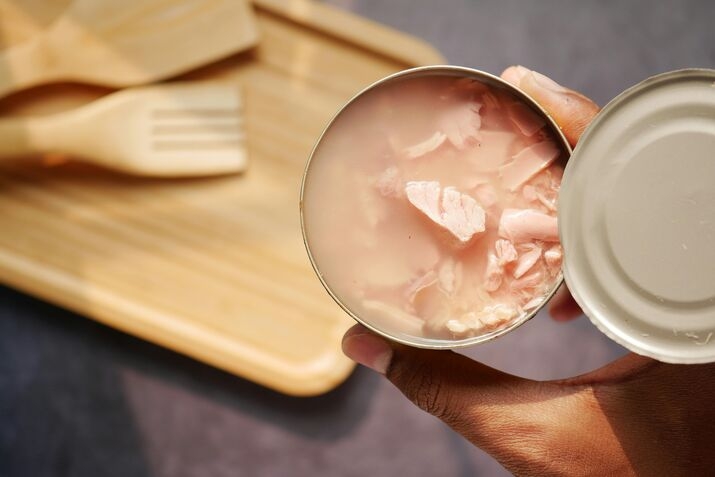
Processed foods, characterized by the addition of preservatives, artificial ingredients, and refined sugars, are a major component of modern diets. Unfortunately, these foods have profound negative effects on health.
- Obesity and Weight Gain: Processed foods are often high in added sugars, unhealthy fats, and refined carbohydrates, contributing to excessive calorie intake and weight gain. The high energy density of processed foods, combined with their low satiety levels, encourages overeating.
- Reference: Monteiro, C. A., Moubarac, J. C., Cannon, G., Ng, S. W., & Popkin, B. (2013). Ultra-processed products are becoming dominant in the global food system. Obesity Reviews, 14(S2), 21-28. https://doi.org/10.1111/obr.12107
- Risk of Type 2 Diabetes: The high sugar content in processed foods spikes blood sugar levels, which over time leads to insulin resistance, a precursor to type 2 diabetes. Diets rich in ultra-processed foods have been linked to an increased risk of metabolic disorders.
- Reference: Fiolet, T., Srour, B., Sellem, L., Kesse-Guyot, E., Allès, B., Méjean, C., & Touvier, M. (2018). Consumption of ultra-processed foods and cancer risk: results from NutriNet-Santé prospective cohort. BMJ, 360, k322. https://doi.org/10.1136/bmj.k322
- Heart Disease and Stroke: The high levels of sodium, trans fats, and artificial additives in processed foods raise the risk of cardiovascular diseases. Frequent consumption of these foods leads to higher blood pressure, cholesterol levels, and inflammation, which contribute to heart disease.
- Reference: Mozaffarian, D., & Ludwig, D. S. (2015). The 2015 US Dietary Guidelines: lifting the ban on total dietary fat. JAMA, 313(24), 2421-2422. https://doi.org/10.1001/jama.2015.5941
4. The Combined Effect of Alcohol, Caffeine, and Processed Foods
When consumed together, alcohol, caffeine, and processed foods can exacerbate their individual harmful effects. For instance:
- Caffeine and Alcohol: Consuming caffeine with alcohol can mask the depressive effects of alcohol, leading individuals to drink more than they normally would. This increases the risk of alcohol poisoning and dangerous behaviors.
- Reference: Marczinski, C. A., Fillmore, M. T., Henges, A. L., Ramsey, M. A., & Young, C. R. (2013). Mixing an energy drink with an alcoholic beverage increases motivation for more alcohol in college students. Alcoholism: Clinical and Experimental Research, 37(2), 276-283. https://doi.org/10.1111/j.1530-0277.2012.01868.x
- Processed Foods and Alcohol: Diets high in processed foods can worsen the effects of alcohol on the liver. High sugar and fat intake contribute to liver fat accumulation, making the liver more susceptible to alcohol-induced damage.
- Reference: Zelber-Sagi, S., Nitzan-Kaluski, D., Goldsmith, R., Webb, M., Blendis, L., Halpern, Z., & Oren, R. (2007). Long term nutritional intake and the risk for non-alcoholic fatty liver disease (NAFLD): a population based study. Journal of Hepatology, 47(5), 711-717. https://doi.org/10.1016/j.jhep.2007.06.020
Conclusion
While alcohol, caffeine, and processed foods may seem harmless in moderation, their overconsumption can lead to serious health problems. Liver disease, cancer, heart disease, type 2 diabetes, and cognitive decline are all linked to the excessive intake of these substances. To promote long-term health, it is crucial to limit their intake and focus on a balanced diet rich in whole foods.
https://babacares.com.131-153-147-50.cpanel.site/blog-details?details=175&title=The+Harmful+Effects+of+Alcohol%2C+Caffeine%2C+and+Processed+Foods+on+Health







Comments