

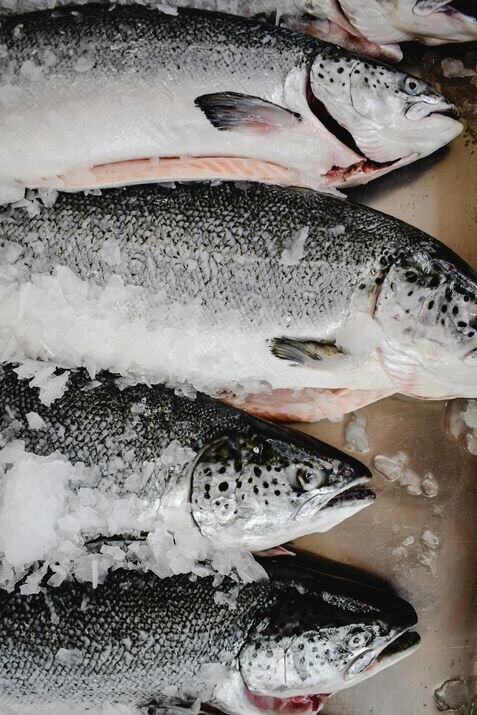
Top 9 Best Fish for Healthy Eating: Nutritious & Delicious Seafood Choices.
Fish is a widely loved food around the world, known for its rich flavors and numerous health benefits. Packed with protein, vitamins, and omega-3 fatty acids, fish can be a key part of a balanced diet. However, not all fish are created equal when it comes to nutrition, sustainability, and safety. This article will explore some of the best fish to include in your diet, considering both health benefits and environmental impact. The Nutrition Source: Fish. Harvard T.H. Chan School of Public Health
1. Salmon
Nutritional Highlights: Salmon is one of the most nutrient-dense fish available. It is an excellent source of omega-3 fatty acids, which are essential for heart health, reducing inflammation, and promoting brain function. Rich in vitamins D and B12, salmon also provides a good amount of high-quality protein.
Best Options: Wild-caught salmon, especially from Alaskan waters, is often considered the healthiest choice, as it contains lower levels of contaminants compared to farmed salmon. If opting for farmed salmon, look for sustainable options certified by organizations like the Marine Stewardship Council (MSC). Seafood Watch
2. Sardines
Nutritional Highlights: Sardines may be small, but they pack a nutritional punch. These oily fish are one of the best sources of omega-3 fatty acids and are rich in calcium, vitamin D, and protein. Sardines are also low in mercury, making them a safer option for frequent consumption.
Best Options: Look for wild-caught sardines, which are typically more sustainable. Sardines are also available canned, which can be a convenient and affordable way to add them to your diet.
3. Mackerel
Nutritional Highlights: Mackerel is another fatty fish that’s high in omega-3s and low in mercury. It’s a great source of vitamin D, vitamin B12, and selenium. Regular consumption of mackerel can improve heart health and support brain function.
Best Options: Opt for smaller species like Atlantic or Pacific mackerel, which are typically lower in mercury. King mackerel, on the other hand, should be consumed less frequently due to its higher mercury levels.
4. Rainbow Trout
Nutritional Highlights: Rainbow trout is a lean, mild-tasting fish that's a good source of protein and omega-3 fatty acids. It also contains important nutrients like potassium and vitamin D. Trout can be a healthier choice if you prefer a lighter fish with fewer calories than fattier options.
Best Options: Farmed rainbow trout, especially from the U.S., is usually a sustainable choice. These fish are raised in freshwater farms and are lower in contaminants.
5. Herring
Nutritional Highlights: Herring is another oily fish that provides a high dose of omega-3 fatty acids, along with vitamin D and selenium. Like sardines and mackerel, herring is relatively low in mercury, making it a safe and healthy option for regular consumption.
Best Options: Look for Atlantic herring, which is generally more sustainable and widely available. It is often sold smoked or pickled, making it a versatile addition to various dishes.
6. Tuna (Light)
Nutritional Highlights: Tuna is a popular fish, often used in salads, sandwiches, and sushi. Light tuna, specifically skipjack or yellowfin, is lower in mercury than other types of tuna like albacore. Tuna is rich in protein, omega-3s, and vitamin B12.
Best Options: When buying canned tuna, opt for “light” tuna rather than “white” or “albacore,” as it typically has lower mercury levels. Always choose tuna labeled as dolphin-safe and sourced from sustainable fisheries.
7. Cod
Nutritional Highlights: Cod is a lean, white fish that’s mild in flavor and low in fat. It’s a good source of protein, vitamin B12, and selenium, making it a heart-healthy option. Cod is lower in omega-3s compared to oily fish, but it’s still a nutritious choice.
Best Options: Pacific cod is a more sustainable choice than Atlantic cod, which has been overfished in some areas. Look for MSC-certified cod to ensure it’s sourced from well-managed fisheries.
8. Anchovies
Nutritional Highlights: Anchovies are small, oily fish that are packed with omega-3 fatty acids, calcium, and selenium. Like sardines and herring, anchovies are low in mercury and rich in essential nutrients.
Best Options: Anchovies are often available canned or jarred in oil. Opt for wild-caught varieties, which are generally more sustainable. You can also use anchovy paste in cooking to add flavor to various dishes.
9. Tilapia
Nutritional Highlights: Tilapia is a mild, inexpensive fish that’s popular in many parts of the world. It’s a lean source of protein and contains smaller amounts of omega-3s compared to fattier fish. Tilapia is often farmed, so its sustainability depends on farming practices.
Best Options: Choose tilapia from farms that use responsible and sustainable practices. Tilapia farmed in the U.S., Canada, and Ecuador is generally considered a better option than fish from other regions where farming practices may be less regulated.
Sustainability and Safety Considerations
When choosing fish for consumption, it's important to consider both the health of the environment and your own health. Opt for fish that are sustainably sourced to support healthy oceans and reduce overfishing. Additionally, be mindful of mercury levels in fish, especially if you consume it frequently. Smaller fish like sardines, herring, and anchovies tend to have lower mercury levels, while larger, predatory fish like swordfish, shark, and king mackerel tend to have higher levels.
Conclusion
Incorporating fish into your diet can offer numerous health benefits, but it’s essential to choose wisely. By opting for fish like salmon, sardines, mackerel, and rainbow trout, you can enjoy nutrient-rich meals that support both your well-being and the environment. Whether you prefer oily fish for their heart-healthy fats or lean fish for a lighter option, there’s a variety of delicious and sustainable choices to suit every palate.
https://babacares.com.131-153-147-50.cpanel.site/blog-details?details=178&title=Top+9+Best+Fish+for+Healthy+Eating%3A+Nutritious+









Comments