

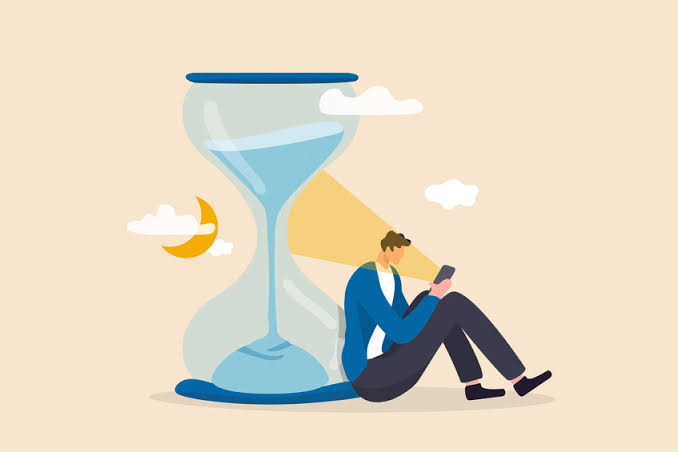
In our technology-driven world, screens dominate daily life. From smartphones to laptops and TVs, digital devices provide convenience, entertainment, and connectivity. However, excessive screen time can harm mental well-being. A digital detox—reducing screen time intentionally—offers a powerful way to restore balance and improve mental health.
What Is a Digital Detox?
A digital detox involves intentionally limiting the use of electronic devices to reduce overstimulation and its associated stress. It doesn’t mean abandoning technology entirely but creating boundaries to ensure healthier interactions with screens.
Why Is Excessive Screen Time Harmful?
11. Mental Health Impacts
◦ Increased Anxiety and Stress: Constant notifications and social media comparisons can heighten anxiety levels.
◦ Sleep Disruption: Blue light from screens disrupts the production of melatonin, a hormone crucial for sleep.
◦ Reduced Focus: Multitasking on screens reduces productivity and increases mental fatigue.
12. Social Isolation
Over-reliance on digital communication often replaces meaningful face-to-face interactions, leading to loneliness.
13. Physical Health Concerns
Prolonged screen time contributes to poor posture, eye strain, and sedentary habits, impacting overall health.
Benefits of a Digital Detox
1. Improved Mental Clarity
Taking a break from screens allows your brain to reset, improving focus, creativity, and decision-making.
2. Better Sleep
Reducing screen time before bed promotes healthier sleep patterns, leaving you more refreshed and alert.
3. Stronger Relationships
A digital detox encourages quality time with loved ones, enhancing emotional connections and reducing feelings of isolation.
4. Reduced Stress and Anxiety
Fewer notifications and less social media scrolling lead to a calmer mind and decreased feelings of pressure.
5. Enhanced Productivity
Without constant digital distractions, tasks are completed more efficiently, boosting satisfaction and reducing procrastination.
6. Healthier Screen Habits
A detox helps establish mindful technology usage, ensuring digital tools serve you rather than overwhelm you.
Tips for a Successful Digital Detox
7. Set Clear Goals
Decide why you want to reduce screen time and set achievable goals, such as limiting social media use to 30 minutes daily.
8. Create No-Screen Zones
Establish areas in your home where screens are off-limits, such as the bedroom or dining table.
9. Schedule Screen-Free Activities
Engage in hobbies like reading, painting, or outdoor activities to replace digital time with fulfilling experiences.
10. Turn Off Notifications
Minimize distractions by disabling non-essential alerts on your devices.
11. Use Apps to Track Screen Time
Apps like Screen Time (iOS) or Digital Wellbeing (Android) can monitor your usage and help you set limits.
12. Take Breaks
Follow the 20-20-20 rule: Every 20 minutes, look at something 20 feet away for at least 20 seconds to reduce eye strain.
13. Involve Friends and Family
Encourage your loved ones to join your detox journey for mutual support and accountability.
Digital Detox and Mental Well-Being
Studies have shown that reducing screen time significantly improves mental health. A report by the Journal of Social and Clinical Psychologyrevealed that limiting social media use to 30 minutes a day can lower depression and loneliness levels. Moreover, regular breaks from screens enhance mindfulness, allowing individuals to reconnect with themselves and their surroundings.
When to Seek Help
If reducing screen time doesn’t alleviate mental health concerns such as anxiety, depression, or insomnia, consider consulting a mental health professional. They can provide tailored strategies to address underlying issues.
Conclusion
A digital detox is not about avoiding technology but about reclaiming control over its influence. By reducing screen time, you can enhance your mental clarity, build stronger relationships, and achieve a healthier, more balanced lifestyle. Start small, stay consistent, and experience the transformative benefits of stepping away from screens.
References
• American Psychological Association (APA). The Impact of Screen Time on Mental Health.link
• National Sleep Foundation. How Technology Affects Sleep. link
• Journal of Social and Clinical Psychology. The Effects of Social Media on Mental Health. link
• Harvard Health Publishing. Digital Detox and Its Benefits. link
Take control of your digital habits today to improve your mental well-being and enjoy a healthier, more connected life offline.
https://babacares.com.131-153-147-50.cpanel.site/blog-details?details=193&title=Digital+Detox%3A+How+Reducing+Screen+Time+Boosts+Mental+Well-Being.








Comments