

Ofada Rice: A Premium Nigerian Staple.
Ofada rice is a highly cherished and unique variety of rice grown in Nigeria, particularly in the southwestern region. Known for its distinctive aroma, nutty flavor, and slightly coarse texture, Ofada rice is a beloved staple among Nigerians and has gained popularity for its nutritional richness and numerous health benefits. This draft will explore the benefits, richness, and cultivation of Ofada rice, its unique characteristics, and how it is prepared.
Benefits of Ofada Rice
- Rich in Nutrients:
Ofada rice is packed with essential nutrients, including high amounts of dietary fiber, vitamins, and minerals. The rice is particularly rich in vitamin B1 (thiamine), which is essential for metabolism and maintaining a healthy nervous system. It also contains magnesium and zinc, which support heart health and the immune system. - Supports Digestion:
Due to its high fiber content, Ofada rice helps improve digestion and prevent constipation. The fiber helps regulate bowel movements and promotes a healthy digestive tract. - Natural Antioxidants:
Ofada rice, like other whole grains, contains antioxidants that help protect the body from oxidative stress. The antioxidants in this rice variety can reduce inflammation and may help lower the risk of chronic diseases such as heart disease and diabetes. - Low Glycemic Index:
Ofada rice has a low glycemic index compared to white rice, meaning it has a slower effect on blood sugar levels. This makes it an excellent option for individuals with diabetes or those trying to manage their blood sugar levels. - Promotes Healthy Weight Management:
Due to its high fiber and complex carbohydrate content, Ofada rice can help with satiety and weight management. It provides a slow and steady release of energy, keeping you fuller for longer and reducing the urge to snack excessively.
Richness and Unique Characteristics of Ofada Rice
- Aroma and Taste:
One of the most notable features of Ofada rice is its unique aroma, often described as earthy and pleasant. The taste is also distinctively nutty, setting it apart from other rice varieties. The rice has a coarse texture, which makes it ideal for pairing with rich Nigerian sauces and stews. - Appearance:
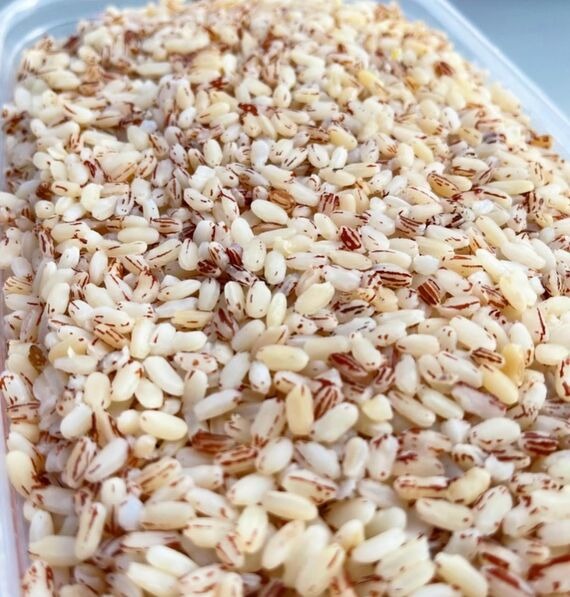
Ofada rice grains are short and medium-sized with a characteristic brownish hue. Unlike polished white rice, Ofada rice retains its outer husk, giving it a more rustic, unrefined look. The unpolished nature of the rice contributes to its rich flavor and nutritional value.
Where and How Ofada Rice is Grown
Ofada rice is primarily cultivated in the southwestern states of Nigeria, with Ogun, Oyo, and Lagos being the main regions where it is grown. The rice is typically grown in irrigated paddies, benefiting from the region's tropical climate and fertile soil.
- Cultivation Process:
The cultivation of Ofada rice involves traditional farming methods, although modern techniques are increasingly being incorporated. Farmers plant the rice in flooded fields, ensuring that the crops receive enough water to grow. Ofada rice is often cultivated without the use of synthetic chemicals, which is a major reason for its perceived "organic" quality. - Harvesting:
The rice is typically harvested after several months of growth, depending on weather conditions. The grains are dried in the sun before being processed for consumption.
Preparation of Ofada Rice
Ingredients:
- 2 cups Ofada rice
- Water (enough to cook the rice)
- A pinch of salt (optional)
- 1 tablespoon of vegetable oil or palm oil (optional)
Instructions:
- Rinse the Rice:
Wash the Ofada rice thoroughly to remove any dirt or sand. Since it is unpolished, the rice may contain some impurities that need to be washed away. - Boil the Rice:
In a large pot, add the washed rice and water. Use about 3-4 cups of water for every cup of rice, or adjust based on your preference. Bring the water to a boil over medium heat. - Simmer:
Once the water starts boiling, lower the heat and let the rice simmer for about 25-30 minutes. The rice should absorb the water and become tender. Stir occasionally to ensure the rice cooks evenly. - Add Oil:
Once the rice is tender and cooked through, you can add a tablespoon of vegetable oil or palm oil if desired. This gives the rice a richer taste and a slight golden color. Stir well to combine. - Serve:
Ofada rice is traditionally served with rich Nigerian stews and sauces, such as the popular Ofada sauce (a spicy, tomato-based sauce with assorted meats, fish, and offals). The rice pairs wonderfully with this sauce, making it a satisfying meal.
Where Ofada Rice is Popular
Ofada rice is a staple food in Nigeria, particularly among the Yoruba people in southwestern Nigeria. It has become widely popular across the country due to its unique taste and health benefits. Ofada rice is commonly enjoyed at weddings, parties, and other cultural events, where it is often served alongside traditional Nigerian stews.
Globally, Ofada rice has gained some recognition in other parts of Africa, especially in countries with Nigerian diasporas, such as the United States, the United Kingdom, and Canada. In recent years, it has also gained popularity among health-conscious individuals and those seeking a more natural alternative to refined rice.
Conclusion
Ofada rice is more than just a meal; it is an essential part of Nigeria's rich culinary heritage. With its earthy aroma, distinct flavor, and numerous health benefits, it stands as a prized food for those seeking nutrition and great taste. The rice’s cultivation process, unique characteristics, and versatility in the kitchen make it an ideal choice for those looking to enjoy traditional, nutritious, and delicious Nigerian cuisine.
References
- Ajayi, O. (2019). The Nutritional Value of Ofada Rice: Health Benefits and Cultivation Process. Nigerian Journal of Agricultural Research.
- Akinmoladun, O. (2020). The Agricultural Economy of Southwestern Nigeria: Rice Production and Its Impact on Local Communities. African Farming Review.
https://babacares.com.131-153-147-50.cpanel.site/blog-details?details=213&title=Ofada+Rice%3A+A+Premium+Nigerian+Staple.











Comments