

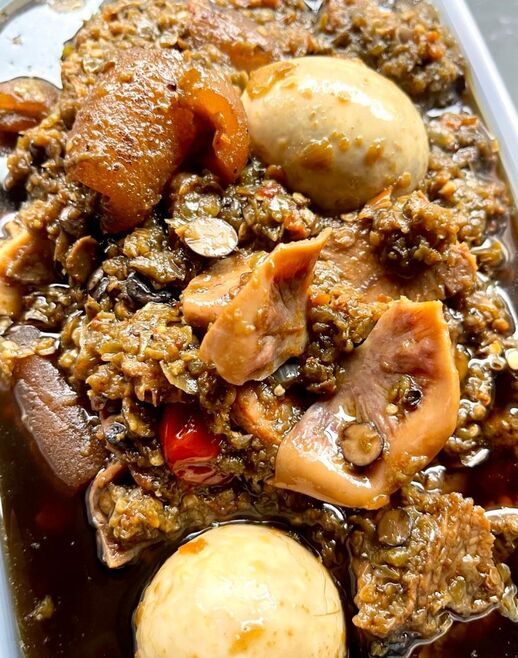
The Story Behind Ayamase Stew and Its Link to Ijebu in Ogun State, Nigeria.
Ayamase stew, also known as Designer Stew, is one of the most popular and flavorful stews in Nigerian cuisine. Known for its rich, spicy, and deep green color, Ayamase stew has gained a reputation for its ability to elevate a simple meal. The stew has deep roots in the Yoruba culture, particularly the Ijebu people of Ogun State, who are renowned for their culinary expertise, especially in spicy and flavorful dishes.
The Origin of Ayamase Stew: A Folklore from Ijebu
Ayamase stew, also known as Designer Stew, has deep roots in the Yoruba culture, particularly among the Ijebu people of Ogun State, Nigeria. While the exact origins of the stew are often debated, one popular version of the story links it to an Ijebu man named "Mase."
According to this tale, Mase was a well-known local figure in the Ijebu community, and his wife sold rice paired with a special stew that became highly regarded for its unique flavor. The stew was unlike any other, combining fresh ingredients and a perfect blend of spices that made it irresistible. Her stew became the talk of the town, and people would often recommend it to others.
As the story goes, when parents sent their children to buy food, they would instruct them to "go to Mase's wife" to buy rice with her special stew. Over time, the phrase "Aya Mase" (meaning Mase's wife) became synonymous with the stew. The delicious stew began to be referred to by the community as Ayamase — a combination of "Aya" (wife) and "Mase" (the man’s name). The popularity of the stew grew rapidly, and people from outside the Ijebu community started asking for it as well, spreading the name and making it famous across Nigeria.
This catchy nickname stuck, and Ayamase became the beloved dish it is today, known for its spicy, hearty, and flavorful character. The Ijebu people’s love for this special stew spread far and wide, and it became a popular dish in Nigerian cuisine, especially at parties, festivals, and special gatherings.
Key Components of Ayamase Stew
Regardless of how it came to be, the stew itself is made using ingredients like green bell peppers, scotch bonnet peppers, onions, locust beans (iru), palm oil, assorted meats (goat meat, beef, or offals), and various seasonings. The stew's rich, spicy taste is what makes it distinct, and it has since become a favorite throughout Nigeria and beyond.
While there may be different stories and legends about Ayamase stew's origins, this version emphasizes the local Ijebu connection and the story of how a humble rice seller's special stew became renowned across the country.
Ayamase stew is believed to have originated from the Ijebu people, an ethnic group in Ogun State, southwestern Nigeria. The Ijebu people are known for their expertise in preparing rich and hearty stews, using local spices and ingredients. Ayamase literally means "special stew" in the Ijebu dialect.
The unique green color of Ayamase stew comes from the use of green bell peppers and other fresh vegetables blended with a variety of spices. The stew is often prepared with various types of meats such as goat meat, beef, or offals, making it a well-rounded and flavorful dish. Ijebu people, who pride themselves on their culinary traditions, are believed to have popularized Ayamase stew in Nigeria, making it a beloved dish in both local and international cuisines.
The dish has gained prominence beyond Ogun State and is now widely enjoyed across Nigeria and the diaspora. It is commonly associated with festive occasions, family gatherings, and parties, thanks to its bold flavor and the satisfaction it provides.
Ingredients for Ayamase Stew
The ingredients for Ayamase stew are simple but packed with flavor, with a blend of local spices and fresh vegetables. Here is a list of the key components:
- Green Bell Peppers (Shombo): These are the primary base of the stew, giving it its signature green color. They provide a mild, slightly sweet flavor.
- Scotch Bonnet Peppers (Ata Rodo): These peppers bring the heat to the stew, making it spicy and flavorful. It’s a key ingredient in most Nigerian stews.
- Onions: Onions are essential to creating the depth of flavor for the stew. Both red onions and shallots can be used.
- Garlic and Ginger: These ingredients enhance the stew's flavor profile, adding a slightly pungent and spicy aroma.
- Locust Beans (Iru): This is a fermented ingredient used for its distinct umami flavor. It is a key component of many Yoruba dishes.
- Palm Oil: This is the cooking medium for the stew, contributing to its richness and vibrant red color.
- Assorted Meats (Goat meat, Beef, Offals, etc.): These are the proteins commonly added to Ayamase stew to make it hearty and satisfying.
- Seasoning Cubes: Used to enhance the stew's overall flavor.
- Salt: For seasoning and to bring the dish together.
- Stock Fish and Dried Fish (Optional): These add additional depth and flavor to the stew.
Preparation of Ayamase Stew
Ingredients:
- 6 large green bell peppers
- 5 scotch bonnet peppers (or to taste)
- 2 medium-sized onions
- 1 tablespoon locust beans (iru)
- 1/4 cup palm oil
- 500g assorted meats (goat meat, beef, or offals)
- 2 seasoning cubes
- 1 teaspoon ground crayfish (optional)
- Salt to taste
- 1 stock fish (optional)
- 1 dried fish (optional)
- 1 tablespoon ginger and garlic paste
Instructions:
- Prepare the ingredients:
Start by washing the meats thoroughly and seasoning with onions, seasoning cubes, and a pinch of salt. Cook until tender. If you're using stock fish or dried fish, wash them and set aside. - Grind the peppers:
In a blender or food processor, blend the green bell peppers, scotch bonnet peppers, onions, ginger, and garlic into a smooth paste. You can add a little water if necessary, but keep it minimal to ensure the paste is thick. - Heat the palm oil:
In a large pot, heat the palm oil over medium heat. Once it starts to bubble, fry the locust beans (iru) for a few minutes to release its aroma. - Add the pepper paste:
Pour the blended pepper paste into the pot and allow it to fry in the palm oil for 15-20 minutes. Stir frequently to avoid burning, and allow the oil to separate from the paste. - Add the meats and fish:
Once the paste is well-fried, add the cooked assorted meats, stock fish, and dried fish into the pot. Stir well, and let everything simmer together for another 10-15 minutes. - Season the stew:
Add seasoning cubes, salt, and ground crayfish (if using). Taste and adjust seasoning as needed. - Serve:
Once everything is well-cooked, Ayamase stew is ready to be served. It is commonly paired with rice, especially jollof rice or white rice, but can also be served with yam, plantains, or any starch of choice.
What to Eat Ayamase Stew With
Ayamase stew is incredibly versatile and pairs well with a wide variety of Nigerian staple foods. Some common dishes served with Ayamase stew include:
- Jollof Rice: The bold flavors of Ayamase stew complement the rich, savory taste of jollof rice.
- White Rice: The stew can be served with plain boiled white rice for a more straightforward and satisfying meal.
- Pounded Yam: This starchy dish pairs excellently with the rich and spicy flavor of Ayamase stew, offering a balanced and fulfilling meal.
- Fufu: Another popular Nigerian dish made from fermented cassava, fufu is perfect for dipping into Ayamase stew.
- Plantains (Dodo): Fried plantains are often served alongside Ayamase stew to add sweetness that balances the stew’s heat and spice.
Health Benefits of Ayamase Stew
- High in Antioxidants:
The vegetables, particularly the bell peppers, are rich in vitamins A and C, which are powerful antioxidants. These vitamins help protect the body from oxidative stress and support immune function. - Promotes Digestive Health:
The garlic, ginger, and locust beans used in Ayamase stew have anti-inflammatory and digestive benefits. They promote gut health and can help in digestion, reducing bloating and discomfort. - Rich in Protein:
With a variety of meats included, Ayamase stew is a good source of high-quality protein, which is essential for muscle repair, growth, and overall body function. - Supports Heart Health:
The use of palm oil, while high in saturated fat, also contains healthy antioxidants and vitamins that can support cardiovascular health. In moderation, palm oil is believed to have anti-inflammatory properties that may reduce the risk of heart disease. - Boosts Energy:
The rice or starchy foods commonly paired with Ayamase stew provide carbohydrates, which are an excellent source of energy. The combination of protein, fat, and carbs ensures a long-lasting energy supply.
Conclusion
Ayamase stew is a rich, flavorful, and nutritious dish that showcases the beauty of Nigerian cuisine, particularly the culinary traditions of the Ijebu people of Ogun State. With its bold, spicy flavor, deep green color, and versatile pairing options, Ayamase stew is a beloved dish enjoyed by many. Whether served with rice, yam, or fufu, it offers a satisfying meal packed with nutritional benefits, making it an essential part of Nigerian food culture.
References
- Adejumo, A. (2020). The Culinary Heritage of Ijebu Cuisine: A Focus on Ayamase Stew. Journal of Nigerian Culinary Arts.
- Ogunbanjo, B. (2021). Ayamase Stew: A Deep Dive into Nigerian Spicy Dishes. Food Lovers Guide.
https://babacares.com.131-153-147-50.cpanel.site/blog-details?details=214&title=The+Story+Behind+Ayamase+Stew+and+Its+Link+to+Ijebu+in+Ogun+State%2C+Nigeria.









Comments