

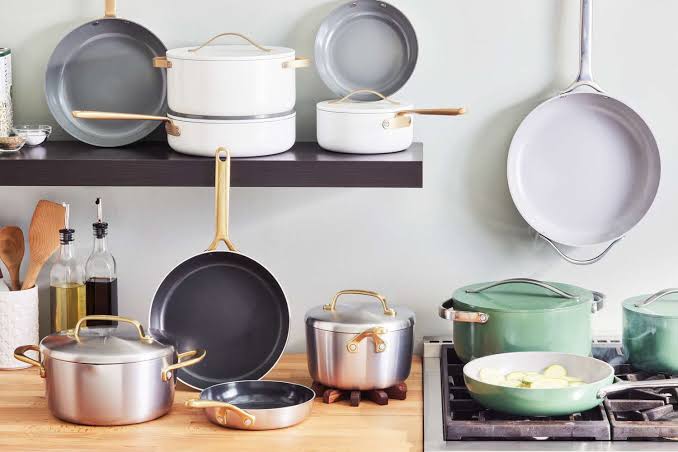
Your choice of cookware can significantly impact your health and the quality of the food you prepare. With a range of materials available, understanding which options are safest and most beneficial for optimal health is essential. Here’s a guide to the healthiest cookware to use and what to avoid.
Why Cookware Matters for Your Health
When cooking, certain materials can leach harmful substances into your food, especially at high temperatures. Over time, exposure to these toxins may contribute to health issues like heavy metal toxicity, hormonal imbalances, and even chronic diseases. Choosing safe cookware helps minimize these risks while preserving the nutrients in your meals.
Top Choices for Healthy Cookware
1. Stainless Steel
◦ Why it’s healthy: Durable, non-reactive, and resistant to corrosion.
◦ Best uses: Ideal for boiling, sautéing, and frying.
◦ Tips: Choose high-quality, food-grade stainless steel (18/10 or 304 grade) for the best results.
2. Cast Iron
◦ Why it’s healthy: Adds a small amount of iron to your food, which can be beneficial for those with iron deficiencies.
◦ Best uses: Excellent for searing, frying, and baking.
◦ Tips: Regularly season your cast iron skillet to maintain its non-stick properties and prevent rust.
3. Ceramic
◦ Why it’s healthy: Free of harmful chemicals like PFOA and PTFE, often found in non-stick coatings.
◦ Best uses: Great for baking, roasting, and light frying.
◦ Tips: Opt for 100% ceramic cookware to avoid coatings that may degrade over time.
4. Glass
◦ Why it’s healthy: Completely non-toxic and non-reactive, making it safe for cooking and storing food.
◦ Best uses: Ideal for baking and microwave cooking.
◦ Tips: Use borosilicate glass for better resistance to thermal shock.
5. Enameled Cast Iron
◦ Why it’s healthy: Combines the benefits of cast iron with a non-reactive enamel coating, preventing iron from leaching into acidic foods.
◦ Best uses: Suitable for slow cooking, stews, and soups.
◦ Tips: Avoid chipping the enamel to maintain its safety.
6. Stoneware
◦ Why it’s healthy: Naturally non-stick and free from toxic chemicals.
◦ Best uses: Perfect for baking bread, pizza, and casseroles.
◦ Tips: Avoid rapid temperature changes to prevent cracking.
Cookware to Avoid
7. Non-Stick Cookware (Teflon)
◦ Contains PFOA and PTFE, which release toxic fumes at high temperatures.
◦ Long-term exposure is linked to health risks like cancer and thyroid issues.
8. Aluminum
◦ Highly reactive, especially with acidic foods, and can leach aluminum into your meals.
◦ Linked to potential neurological issues.
9. Copper Cookware
◦ Copper can leach into food if the lining wears off, potentially causing heavy metal toxicity.
10. Plastic or Low-Grade Silicone
◦ Releases harmful chemicals like BPA when exposed to heat.
Tips for Using Cookware Safely
• Avoid high heat: Overheating cookware, even safe materials, can damage its surface and affect food quality.
• Use non-abrasive cleaning tools: Prevent scratches on cookware to maintain its integrity and safety.
• Replace damaged cookware: Discard any pots or pans with cracked coatings or deep scratches.
• Pair cookware with appropriate utensils: Use wooden, silicone, or plastic tools to avoid damaging non-stick or enameled surfaces.
Conclusion
Choosing the healthiest cookware is an investment in your long-term well-being. Materials like stainless steel, cast iron, ceramic, and glass offer safe, durable, and versatile options for all types of cooking. By avoiding toxic materials and using cookware mindfully, you can enjoy nutritious meals without compromising your health.
References
• Harvard Health Publishing. Is Your Cookware Safe? link
• Environmental Working Group (EWG). Guide to Safe Cookware. link
• Mayo Clinic. Healthy Cooking Tips: Choosing the Right Cookware. link
• Healthline. Best and Worst Cookware for Your Health. link
Upgrade your kitchen with safe cookware and cook your way to better health today.
https://babacares.com.131-153-147-50.cpanel.site/blog-details?details=215&title=The+Healthiest+Cookware+for+Optimal+Health%3A+A+Guide+to+Safe+and+Sustainable+Cooking.








Comments