

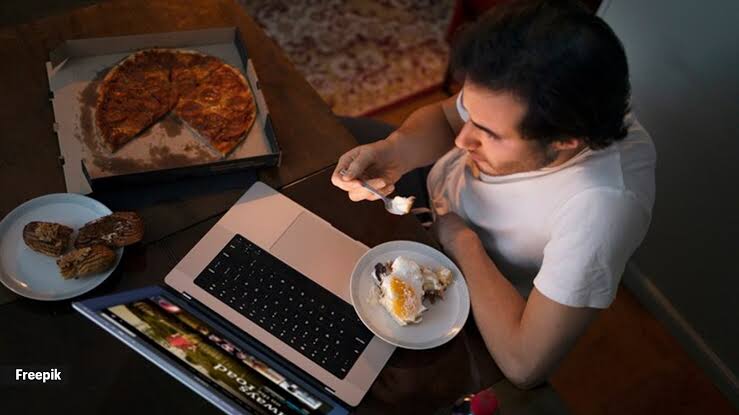
In today’s digital world, multitasking has become second nature. Many people eat their meals while watching TV, scrolling through their phones, or working on their laptops. While this might seem harmless, studies show that eating in front of screens can negatively impact physical health, mental well-being, and even social connections. Here’s a closer look at the dangers of screen-time dining and why mindful eating is a healthier alternative.
1. Overeating and Weight Gain
Watching screens while eating can lead to mindless overeating. When you’re distracted, it’s harder to recognize your body’s hunger and fullness signals.
• Why it matters: Research indicates that eating while distracted can result in consuming 25% more calories than eating without distractionsmpact**: Over time, this habit can contribute to weight gain and increase the risk of obesity-related conditions such as diabetes and heart disease.
Tip: Focus on your meal and chew slowly to give your brain enough time to register fullness.
2. Poor Digestion
When your attention is on a screen rather than your meal, you may chew less thoroughly, which can negatively affect digestion.
• Why it matters: Incomplete chewing puts more strain on your digestive system and can lead to bloating, gas, and indigestion .
• **Poor digestion may also limit the absorption of essential nutrients.
Tip: Turn off screens and concentrate on chewing your food well to aid digestion.
3. Reduced Awareness of Food Choices
Screen distractions can lead to unhealthy food choices, such as opting for processed snacks or fast food that’s quick to prepare and eat.
• Why it matters: Studies show that people are more likely to reach for high-calorie, nutrient-poor foods when eating in front of screens .
• Impact
to a poor diet, increasing the risk of chronic diseases like hypertension and high cholesterol.
Tip: Plan balanced meals with whole grains, lean proteins, and vegetables to make healthier choices.
4. Weakening Family and Social Bonds
Screen-time eating often replaces opportunities for meaningful social interaction. Families who eat together without screens tend to have better communication and stronger relationships.
• Why it matters: Mealtime offers a chance to connect, share experiences, and build emotional bonds. Using screens during meals diminishes these benefits .
• Impact: Over timn weaken family ties and contribute to feelings of isolation.
Tip: Establish a "no screens at the table" rule to encourage conversation and connection.
5. Increased Stress Levels
Consuming stressful or intense content, such as work emails or news updates, while eating can elevate cortisol levels, disrupting your ability to relax during meals.
• Why it matters: Elevated stress hormones can interfere with digestion and overall well-being .
• Impact: This can lead to stress-eating, where individuals consume comfort foods in response to stress, exacerbating health issues.
Tip: Create a calm, screen-free eating environment to lower stress and improve meal enjoyment.
6. Poor Eating Habits in Children
Children who grow up watching screens while eating are more likely to develop long-term unhealthy eating habits.
• Why it matters: Studies link screen-time eating in children to higher consumption of sugary and processed foods .
• Impact: These habits increase the of childhood obesity, dental issues, and poor academic performance.
Tip: Encourage children to eat at the table without screens and engage them in conversations about their day.
The Case for Mindful Eating
Mindful eating is the practice of being fully present during meals, paying attention to the taste, texture, and aroma of your food. This approach has been shown to improve digestion, help with weight management, and enhance overall satisfaction with meals .
How to Break the Habit
45. Crean-Free Zone: Designate your dining table as a no-screen area.
46. Schedule Meals: Set specific times for meals to encourage mindful eating.
47. Engage Your Senses: Focus on the flavors, smells, and appearance of your food.
48. Practice Gratitude: Take a moment before eating to appreciate your meal.
49. Start Small: Commit to one screen-free meal per day and gradually increase.
Conclusion
While eating in front of screens may feel convenient, the long-term consequences for your health and well-being are significant. From overeating and poor digestion to weakened social connections and increased stress, the drawbacks far outweigh the benefits. By prioritizing mindful eating and turning off screens during meals, you can cultivate healthier habits that support both your physical and emotional health.
References
14. Harvard T.H. Chan School of Public Health. Mindful Eating. link
15. Mayo Clinic. Healthy Eating Habits. link
16. Healthline. The Impact of Screen Time on Food Choices. link
Take the first step toward better health today by unplugging during meals and enjoying the moment.
https://babacares.com.131-153-147-50.cpanel.site/blog-details?details=216&title=The+Hidden+Dangers+of+Watching+Screens+While+Eating.











Comments