

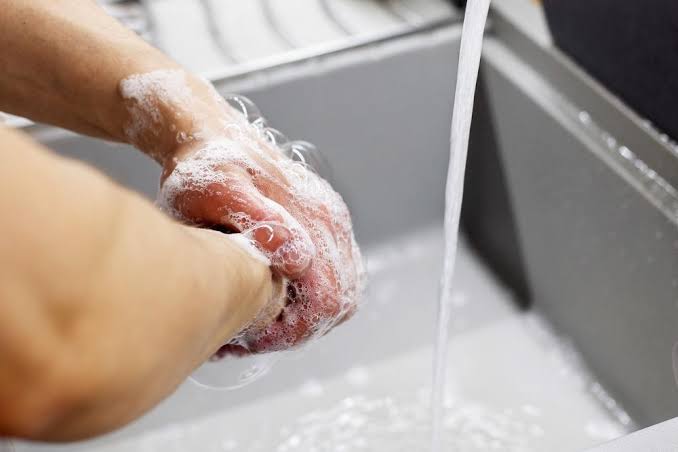
Basic hygiene is a cornerstone of public health, playing a pivotal role in reducing the spread of infectious diseases. Simple practices such as regular handwashing, proper sanitation, and maintaining personal cleanliness can have far-reaching effects in mitigating health risks.
Importance of Hygiene
Hygiene practices, particularly handwashing with soap, can prevent a significant percentage of respiratory and intestinal diseases. Studies show that proper hand hygiene can reduce respiratory infections by 20% and diarrhea-related illnesses by up to 40% in some populations. Globally, campaigns like Global Handwashing Day and the World Health Organization’s (WHO) SAVE LIVES: Clean Your Hands initiative emphasize the importance of hand hygiene in healthcare settings and communities.
Key Practices
1. Handwashing: Regular washing of hands, especially before meals, after using the restroom, and after coughing or sneezing, removes pathogens that can lead to illness.
2. Clean Water and Sanitation: Ensuring access to clean water and adequate sanitation facilities is critical in preventing waterborne diseases such as cholera.
3. Food Hygiene: Proper handling, cooking, and storage of food minimize the risk of contamination and foodborne illnesses.
4. Environmental Cleanliness: Regular cleaning of surfaces, especially in healthcare facilities, reduces the transmission of infections.
Lessons from COVID-19
The COVID-19 pandemic underscored the importance of hygiene as a primary defense against disease transmission. Increased public awareness led to a significant rise in handwashing frequency and duration globally. However, disparities in access to basic hygiene facilities remain a challenge, particularly in low-income settings, where 40% of people lack access to handwashing facilities.
Cost-Effective Impact
Promoting hygiene is one of the most cost-effective public health interventions. By integrating education and access to hygiene resources, policymakers can prevent outbreaks, save healthcare costs, and improve community well-being.
Efforts to promote hygiene must be inclusive and sustainable, ensuring all populations have the resources needed to adopt these life-saving practices. For more on global hygiene initiatives, visit WHO's Infection Prevention and Control overview and Citron Hygiene.
https://babacares.com.131-153-147-50.cpanel.site/blog-details?details=219&title=The+Role+of+Hygiene%3A+How+Basic+Hygiene+Prevents+Diseases.











Comments