

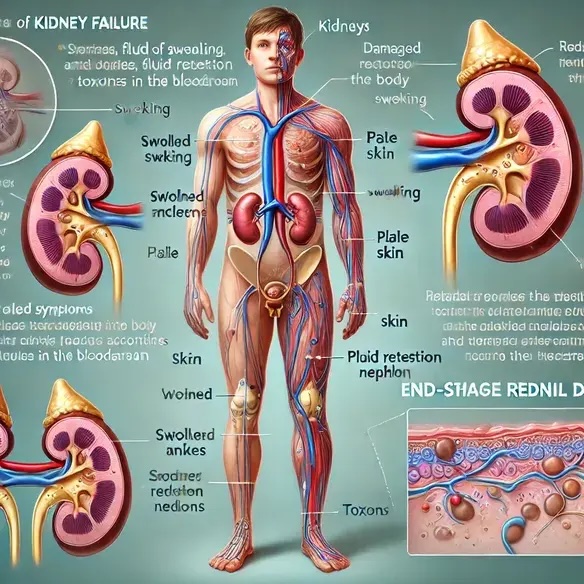
Symptoms of Kidney Failure: Early Warning Signs to Watch For.
Kidney failure, also known as renal failure, is a serious condition where the kidneys lose their ability to filter waste and excess fluids from the blood. It can develop gradually over time, and early detection is crucial for effective treatment. Recognizing the symptoms of kidney failure can help prevent further complications and improve outcomes. In this article, we’ll discuss common signs of kidney failure and why seeking medical attention is important if you experience any of them.
Common Symptoms of Kidney Failure
Kidney failure may present a variety of symptoms, some of which can be mistaken for other health conditions. If you notice any of these signs, it’s essential to consult your healthcare provider for proper diagnosis and management.
1. Changes in Urination Patterns
- Little or no urine: A significant decrease in urine output may indicate kidney problems.
- Excessive urination at night (nocturia): Frequent urination at night can be a sign of kidney dysfunction.
- Urination stops completely: A complete halt in urine production is a critical warning sign that requires immediate medical attention.
2. Swelling in the Body
Swelling, especially in the ankles, feet, and legs, occurs when the kidneys are no longer able to remove excess fluids. This can lead to fluid retention, causing puffiness or bloating in various parts of the body.
3. Fatigue and Weakness
Kidney failure often leads to fatigue or feeling unusually tired and weak. This happens because the kidneys are no longer efficiently filtering out waste products from the blood, which can lead to a buildup of toxins that affects overall energy levels.
4. Shortness of Breath
Fluid buildup in the lungs, a condition known as pulmonary edema, can cause shortness of breath. This can be particularly noticeable when lying down or during physical activity.
5. Persistent Nausea and Vomiting
Chronic nausea and vomiting can be a result of the body accumulating waste products due to impaired kidney function. This may last for several days and lead to significant discomfort.
6. Blood in Stools
Kidney failure can cause blood in the stools, which may occur due to complications such as bleeding in the gastrointestinal tract. This requires immediate medical attention.
7. Difficulty Concentrating and Memory Problems
Kidney failure may affect cognitive functions, causing difficulty concentrating, memory problems, and mental cloudiness. This is often due to the accumulation of toxins in the bloodstream.
8. Foamy or Bubbly Urine
The presence of foam or bubbles in the urine may indicate protein leakage, which occurs when the kidneys fail to filter proteins properly. This symptom is often an early warning sign of kidney disease.
9. High Blood Pressure
High blood pressure is both a cause and a result of kidney failure. As the kidneys struggle to filter waste, they may contribute to elevated blood pressure, further worsening kidney function.
10. Pain in the Back or Sides
Kidney-related pain may be felt in the lower back or on the sides of the abdomen. This pain can be caused by kidney stones or other complications associated with kidney failure.
11. Bruising Easily
Kidney failure can affect your body’s ability to produce essential blood-clotting factors, leading to easy bruising or prolonged bleeding after minor injuries.
12. Hand Tremors
Hand tremors are common in people with kidney failure, particularly as toxins build up in the bloodstream, affecting the nervous system.
13. Bad Taste in the Mouth (Uremic Fetor)
A metallic or ammonia-like taste in the mouth is known as uremic fetor, and it occurs when waste products build up in the blood, affecting the taste buds.
14. Persistent Hiccups
Continuous hiccups may occur as a result of kidney failure, especially when waste products build up and disrupt the body’s normal functioning.
What to Do If You Experience These Symptoms
If you experience five or more of these symptoms, it's important to visit a healthcare provider for kidney function tests. Early diagnosis and intervention can help manage kidney failure and prevent complications. Your doctor may perform blood tests, urine tests, and imaging studies to assess your kidney health and determine an appropriate course of treatment.
Conclusion
Kidney failure is a serious health condition, but recognizing its symptoms early can make a significant difference in treatment outcomes. If you notice any changes in urination, swelling, fatigue, or other signs of kidney dysfunction, seek medical attention promptly. Regular kidney check-ups, especially for individuals at higher risk, are crucial to maintaining kidney health and preventing long-term damage.
References:
- National Kidney Foundation (NKF) - Kidney Disease Symptoms
- Mayo Clinic - Kidney Failure Symptoms.
https://babacares.com.131-153-147-50.cpanel.site/blog-details?details=221&title=Symptoms+of+Kidney+Failure%3A+Early+Warning+Signs+to+Watch+For.








Comments