

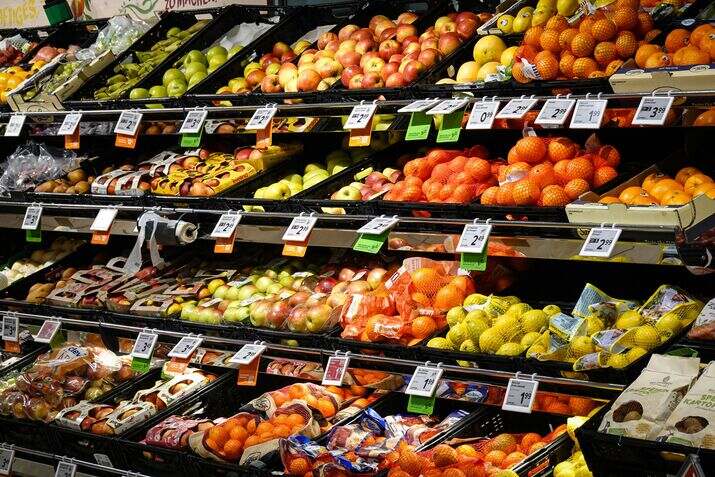
The Importance of Eating Natural Food for Nourishment.
Disclosure: "This article contains affiliate links. If you purchase through these links, I may earn a commission at no extra cost to you. This helps support my work. Thank you!"
Product: AGELESS Living: Unlock the Secrets to Staying Young as You Grow is an inspiring guide that delves into the timeless pursuit of vitality, wellness, and purpose at any age.
Link: https://amzn.to/3XEg3af
ARTICLE .
Introduction
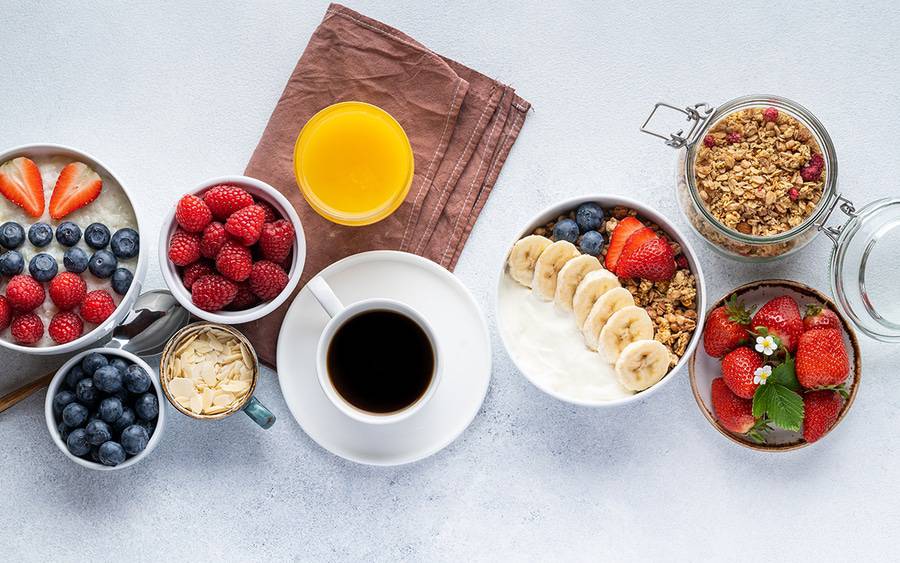
Eating natural food is one of the most effective ways to maintain optimal health and nourishment. Natural foods, which include fruits, vegetables, whole grains, nuts, seeds, and lean proteins, are rich in essential nutrients and free from artificial additives, preservatives, and excessive processing. This article explores the benefits of consuming natural foods, their impact on health, and practical ways to incorporate them into daily life.
Benefits of Eating Natural Foods
1. Rich in Essential Nutrients
Natural foods contain vital vitamins, minerals, fiber, and antioxidants necessary for overall well-being. Unlike processed foods, which may lack essential nutrients, whole foods provide a balanced diet that supports bodily functions (Micha et al., 2017).
2. Supports Digestive Health
A diet rich in natural foods promotes gut health by providing fiber, which aids digestion and prevents constipation. Whole foods such as fruits, vegetables, and whole grains support a healthy microbiome, reducing the risk of digestive disorders (Slavin, 2013).
3. Reduces the Risk of Chronic Diseases
Natural foods help prevent lifestyle-related diseases such as heart disease, diabetes, and obesity. Studies indicate that diets high in whole foods and low in processed foods contribute to lower cholesterol levels, improved blood sugar control, and reduced inflammation (Hu, 2011).
4. Enhances Immune Function
Consuming a variety of natural foods strengthens the immune system by providing essential vitamins like vitamin C, vitamin D, and zinc. Antioxidants found in natural foods help combat free radicals, reducing the risk of infections and illnesses (Calder, 2020).
5. Promotes Healthy Weight Management
Natural foods are generally lower in unhealthy fats, sugars, and calories compared to processed foods. They help regulate metabolism and satiety, reducing cravings for unhealthy snacks and supporting sustainable weight management (Mozaffarian et al., 2011).
How to Incorporate Natural Foods into Your Diet
1. Choose Whole, Unprocessed Foods
Opt for fresh fruits, vegetables, whole grains, legumes, and lean proteins instead of processed alternatives. Avoid foods with artificial additives, preservatives, and high sugar content.
2. Cook at Home
Preparing meals at home using fresh ingredients allows better control over nutritional intake and minimizes the consumption of unhealthy processed foods.
3. Read Food Labels
Check ingredient lists for hidden preservatives, additives, and excessive sugar or sodium when purchasing packaged foods.
4. Prioritize Seasonal and Organic Foods
Eating seasonal and organic foods enhances nutrient intake and reduces exposure to pesticides and harmful chemicals.
5. Hydrate with Natural Beverages
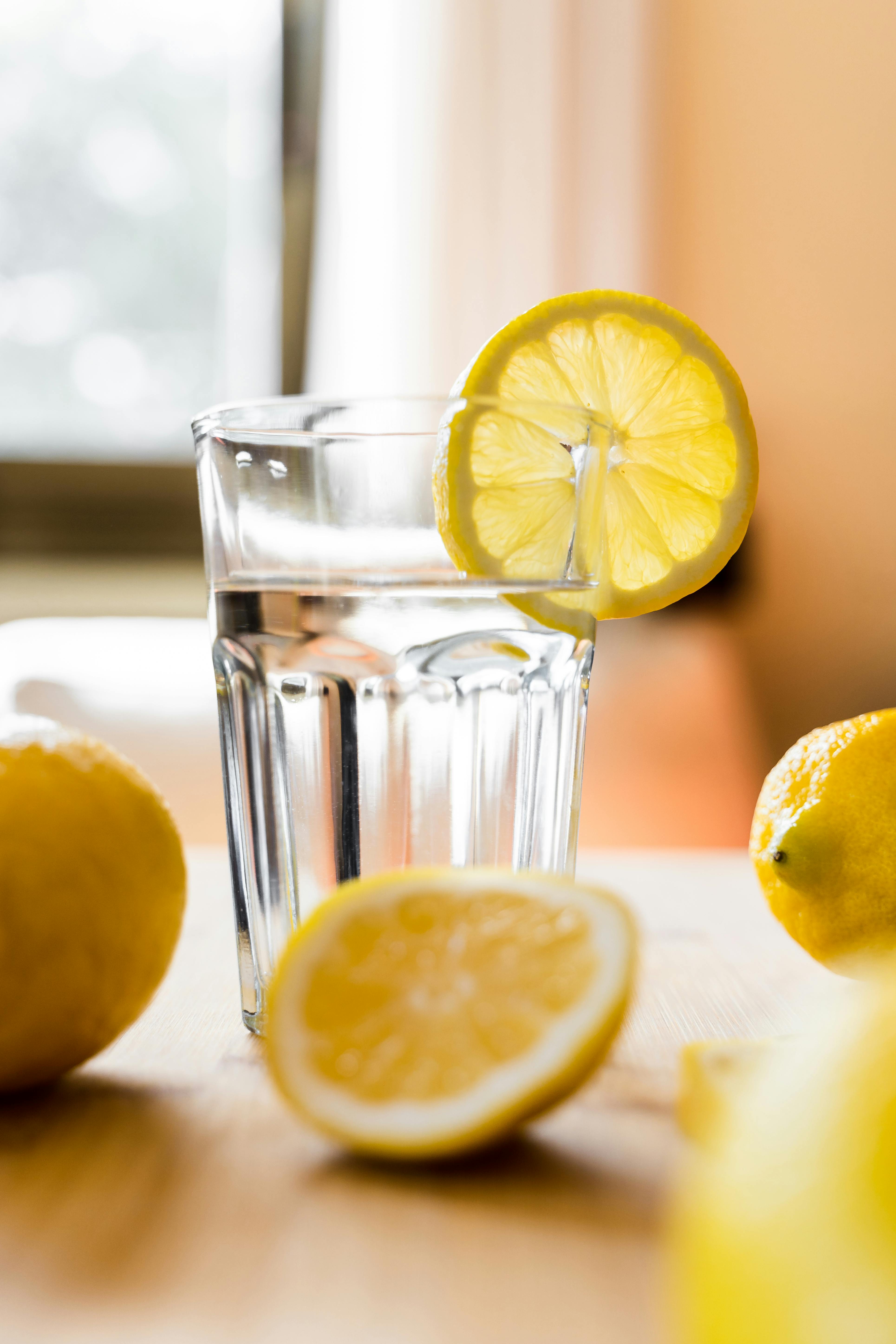
Replace sugary drinks and sodas with natural water, herbal teas, and fresh fruit juices to stay hydrated and nourish the body.
Conclusion
Eating natural foods is essential for overall nourishment, disease prevention, and long-term health. By making conscious dietary choices and prioritizing whole foods, individuals can improve their well-being, boost their energy levels, and maintain a healthy lifestyle.
References
- Calder, P. C. (2020). Nutrition, immunity, and COVID-19. BMJ Nutrition, Prevention & Health, 3(1), 74-92.
- Hu, F. B. (2011). Diet and lifestyle influences on risk of coronary heart disease. Current Atherosclerosis Reports, 13(4), 354-364.
- Micha, R., Peñalvo, J. L., Cudhea, F., Imamura, F., Rehm, C. D., & Mozaffarian, D. (2017). Association between dietary factors and mortality from heart disease, stroke, and type 2 diabetes in the United States. JAMA, 317(9), 912-924.
https://babacares.com.131-153-147-50.cpanel.site/blog-details?details=378&title=The+Importance+of+Eating+Natural+Food+for+Nourishment.








Comments