


Internal and External Cleanliness: A Pathway to Health and Well-being
Disclosure: "Some of the links in this article are affiliate links, which means I may earn a commission if you click through and make a purchase. This comes at no additional cost to you and helps support the content I create. I only recommend products or services I genuinely believe in. Thank you for your support!"
Product: Keimi Electric Spin Scrubber, New Full-Body IPX7 Waterproof Cordless Bathroom Scrubber with 8 Replaceable Heads, Upgraded Extension Handle, Shower Cleaning Brush for Bathtub, Tile, Floor
Product Link: https://amzn.to/3XN9TVu
ARTICLE :
Cleanliness is a fundamental aspect of health, encompassing both internal and external hygiene. Internal cleanliness refers to maintaining a healthy body through proper nutrition, hydration, and detoxification, while external cleanliness involves personal hygiene, environmental sanitation, and cleanliness in surroundings. Practicing both types of cleanliness is essential for preventing diseases, enhancing mental well-being, and improving overall quality of life. This article explores the importance of internal and external cleanliness, its benefits, and practical ways to achieve them, supported by scientific references.
The Importance of Internal Cleanliness
Internal cleanliness involves maintaining a toxin-free body through a balanced diet, hydration, and proper digestion. Poor dietary habits, dehydration, and exposure to harmful substances can lead to toxin accumulation, affecting organ function and overall health (Gonzalez et al., 2017).
1. Detoxification and Digestive Health
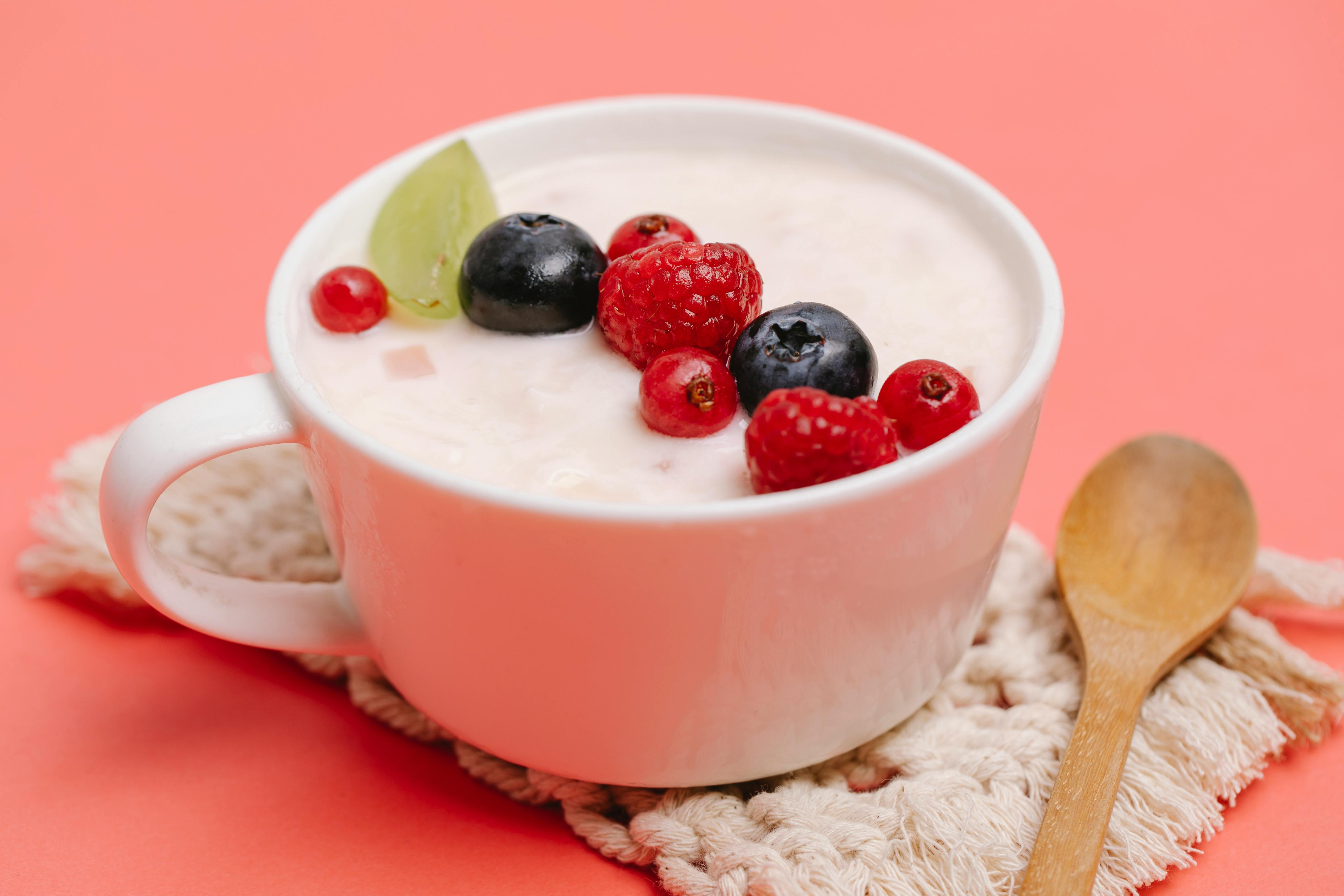
A well-functioning digestive system supports internal cleanliness by efficiently eliminating waste and toxins. Eating fiber-rich foods, drinking plenty of water, and consuming probiotics can improve gut health and promote detoxification (De Filippo et al., 2010).
2. Hydration and Toxin Elimination
Water is crucial for flushing out toxins from the body through urine and sweat. Dehydration can lead to toxin buildup, impairing kidney and liver function (Popkin et al., 2010). Drinking at least 2-3 liters of water daily helps maintain internal cleanliness.
3. Healthy Diet for Internal Cleanliness
Eating whole, unprocessed foods rich in vitamins and minerals supports the body's natural detoxification processes. Avoiding excessive alcohol, caffeine, and processed foods reduces toxin accumulation (Bozzetti & Mariani, 2009).
The Importance of External Cleanliness
External cleanliness involves personal hygiene, home and environmental sanitation, and cleanliness in public spaces. Maintaining external cleanliness reduces the spread of infectious diseases and enhances social well-being (Curtis et al., 2003).
1. Personal Hygiene
Regular bathing, oral care, and handwashing prevent bacterial and viral infections. Studies show that proper hand hygiene reduces the risk of respiratory and gastrointestinal infections (Aiello et al., 2008).
2. Clean Living Environment
A clean home and workplace minimize exposure to allergens, bacteria, and viruses. Regular cleaning and disinfection of surfaces help prevent disease transmission (Scott et al., 2009).
3. Environmental Hygiene
Proper waste disposal, air purification, and reduced pollution contribute to public health. Clean environments support respiratory health and prevent vector-borne diseases (Fewtrell & Bartram, 2001).
Practical Tips for Maintaining Cleanliness
Internal Cleanliness
- Eat a fiber-rich diet to support digestion and detoxification.
- Stay hydrated by drinking enough water throughout the day.
- Engage in regular physical activity to enhance circulation and toxin removal.
- Avoid excessive intake of processed foods, alcohol, and artificial additives.
External Cleanliness
- Wash hands regularly with soap and water for at least 20 seconds.
- Maintain oral hygiene by brushing and flossing daily.
- Keep living spaces clean and well-ventilated.
- Dispose of waste properly and support environmental cleanliness initiatives.
Conclusion
Internal and external cleanliness are essential for overall health and well-being. By adopting healthy habits that promote both, individuals can enhance their immune system, prevent illnesses, and improve their quality of life. Prioritizing cleanliness is not only a personal responsibility but also a collective effort to create a healthier and more sustainable world.
References
- Aiello, A. E., Coulborn, R. M., Perez, V., & Larson, E. L. (2008). Effect of hand hygiene on infectious disease risk in the community setting: A meta-analysis. American Journal of Public Health, 98(8), 1372-1381.
- Bozzetti, F., & Mariani, L. (2009). Nutritional support in cancer patients: A position paper. Supportive Care in Cancer, 17(5), 447-452.
- Curtis, V., Cairncross, S., & Yonli, R. (2003). Domestic hygiene and diarrhoea–pinpointing the problem. Tropical Medicine & International Health, 5(1), 22-32.
- De Filippo, C., Cavalieri, D., Di Paola, M., Ramazzotti, M., Poullet, J. B., Massart, S., Collini, S., Pieraccini, G., & Lionetti, P. (2010). Impact of diet in shaping gut microbiota revealed by a comparative study in children from Europe and rural Africa. Proceedings of the National Academy of Sciences, 107(33), 14691-14696.
- Fewtrell, L., & Bartram, J. (2001). Water quality: Guidelines, standards, and health. World Health Organization.
https://babacares.com.131-153-147-50.cpanel.site/blog-details?details=386&title=Internal+and+External+Cleanliness%3A+A+Pathway+to+Health+and+Well-being







Comments