

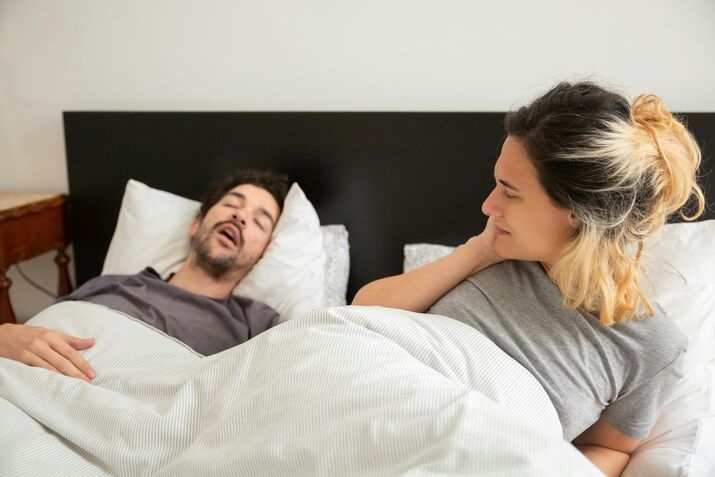
Understanding Sleep Apnea: Symptoms, Causes, and Treatments
Disclosure: "This article contains affiliate links. If you purchase through these links, I may earn a commission at no extra cost to you. This helps support my work. Thank you!"
Book : AGELESS Living: Unlock the Secrets of Staying Young as You Grow is an inspiring guide that delves into the timeless pursuit of vitality, wellness, and purpose at any age by Babajide Moronfolu (Author)
Book Link: https://amzn.to/3QJYlhY
THE ARTICLE :
Product : BEC CPAP Machine - Includes 13cm Screen, Nasal Mask, Heated Tube, APAP Mode, WiFi, Whisper-Quiet Operation, Auto-Adjusting Pressure, and User-Friendly Interface for Restful Nights
Product Link: https://amzn.to/42eVDHE
Sleep apnea is a prevalent sleep disorder characterized by repeated interruptions in breathing during sleep. These interruptions, known as apneas, can lead to fragmented sleep and reduced oxygen levels in the blood, resulting in excessive daytime sleepiness and other health complications. NCBI+3Sleep Foundation+3Wikipedia+3NCBI
Types of Sleep Apnea
There are three primary types of sleep apnea:
- Obstructive Sleep Apnea (OSA): The most common form, OSA occurs when the muscles at the back of the throat relax excessively, causing a blockage of the airway. NCBI
- Central Sleep Apnea (CSA): This type involves the brain failing to send proper signals to the muscles that control breathing, leading to breathing interruptions. NCBI+3Sleep Foundation+3Wikipedia+3
- Complex Sleep Apnea Syndrome: Also known as treatment-emergent central sleep apnea, this condition arises when someone has both OSA and CSA. NCBI+5Wikipedia+5BioMed Central+5
Symptoms of Sleep Apnea
Common symptoms include:
- Loud snoring BioMed Central+4Sleep Foundation+4Wikipedia+4
- Episodes of breathing cessation during sleep, often noticed by another person Journal of Clinical Sleep Medicine+5Sleep Foundation+5Wikipedia+5
- Abrupt awakenings accompanied by gasping or choking
- Morning headaches
- Difficulty staying asleep (insomnia) NCBI+5Wikipedia+5Sleep Foundation+5
- Excessive daytime sleepiness (hypersomnia)
- Difficulty concentrating during the day
It's important to note that not everyone who snores has sleep apnea, but loud and frequent snoring is a common indicator. Sleep Foundation
Causes and Risk Factors
Several factors can increase the risk of developing sleep apnea:
- Excess Weight: Obesity significantly raises the risk of OSA due to fat deposits around the upper airway, which can obstruct breathing. Wikipedia
- Neck Circumference: A thicker neck may have a narrower airway, increasing the likelihood of airway obstruction. Wikipedia
- A Narrowed Airway: Genetic factors or enlarged tonsils/adenoids can narrow the airway, leading to OSA. Wikipedia
- Being Male: Men are more likely to develop sleep apnea than women.
- Age: Sleep apnea occurs significantly more often in older adults. Wikipedia+4Sleep Foundation+4BioMed Central+4
- Family History: A family history of sleep apnea might increase the risk. Wikipedia
- Use of Alcohol or Sedatives: These substances relax the muscles in the throat, which can worsen OSA.
- Smoking: Smokers are more likely to have sleep apnea than non-smokers.
Health Complications Associated with Sleep Apnea
If left untreated, sleep apnea can lead to various health issues:
- Hypertension (High Blood Pressure): OSA can cause sudden drops in blood oxygen levels, increasing blood pressure and straining the cardiovascular system.
- Heart Problems: OSA increases the risk of heart attacks, strokes, and irregular heartbeats (arrhythmias). Wikipedia
- Type 2 Diabetes: Sleep apnea is associated with insulin resistance and type 2 diabetes.
- Metabolic Syndrome: This disorder, which includes high blood pressure, abnormal cholesterol levels, high blood sugar, and increased waist circumference, is linked to a higher risk of heart disease. Wikipedia
- Liver Problems: People with sleep apnea are more likely to have abnormal results on liver function tests, and their livers are more likely to show signs of scarring. Wikipedia
- Daytime Fatigue: The repeated awakenings associated with sleep apnea make normal, restorative sleep impossible, leading to severe daytime drowsiness, fatigue, and irritability. Wikipedia
Diagnosis and Treatment
Diagnosis typically involves a sleep study, either conducted at home or in a sleep lab, to monitor breathing patterns, oxygen levels, and other vital signs during sleep.
Treatment options vary based on the severity of the condition:
- Lifestyle Changes: Weight loss, quitting smoking, and avoiding alcohol can alleviate mild cases of sleep apnea. Wikipedia
- Continuous Positive Airway Pressure (CPAP): This device delivers air pressure through a mask to keep the upper airway passages open, preventing apnea and snoring. Wikipedia
- Oral Appliances: These are designed to keep the throat open by bringing the jaw forward, which can relieve mild OSA.
- Surgery: Procedures such as tissue removal, tissue shrinkage, jaw repositioning, or implants might be necessary in severe cases or when other treatments are ineffective.
Conclusion
Sleep apnea is a serious condition with potential health risks if left untreated. Recognizing the symptoms and seeking appropriate medical evaluation is crucial. Effective treatments are available that can improve sleep quality and overall health.
https://babacares.com.131-153-147-50.cpanel.site/blog-details?details=421&title=Understanding+Sleep+Apnea%3A+Symptoms%2C+Causes%2C+and+Treatments









Comments