


How Microplastics Infiltrate Our Food Supply.
Disclosure: "This article contains affiliate links. If you purchase through these links, I may earn a commission at no extra cost to you. This helps support my work. Thank you!"
Product: Titanium Cutting Boards for Kitchen, 100% Pure Cut Titanium, Food Grade Quality (25 * 15 cm / 9.8 * 5.9 in)
Product Link: https://amzn.to/3QWnJ48
THE ARTICLE.
Microplastics—tiny plastic particles less than five millimeters in diameter—have become pervasive contaminants in our environment, infiltrating various food sources and raising concerns about potential health impacts. Understanding the pathways through which microplastics enter our food is crucial for developing strategies to mitigate exposure.
1. Contaminated Water Sources
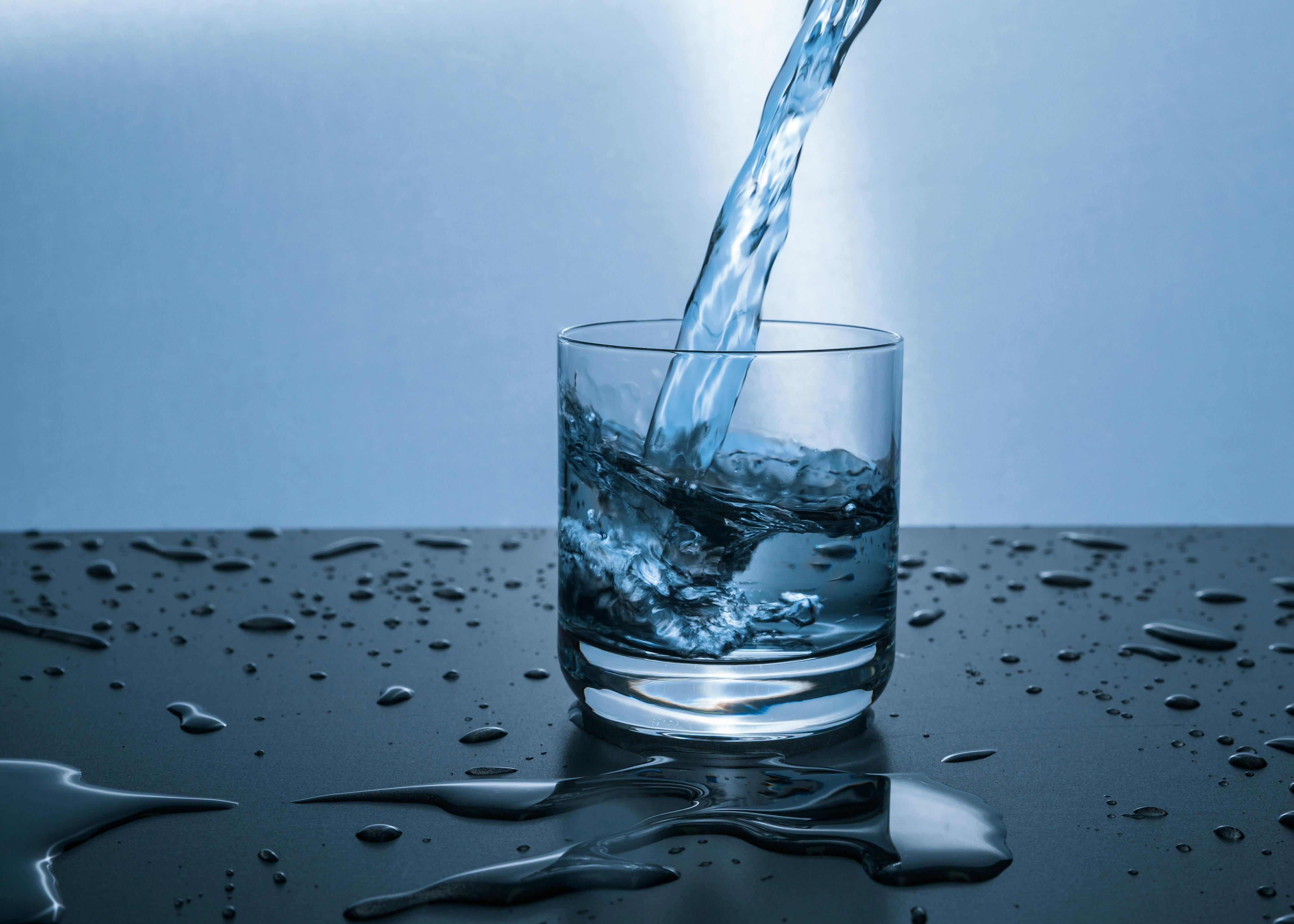
Water serves as a primary conduit for microplastics entering the food chain. Both tap and bottled water have been found to contain microplastic particles. Studies have detected microplastics in drinking water, beer, and other beverages, suggesting that water is a significant source of dietary microplastic exposure. The SunWikipedia
2. Seafood Consumption
Marine organisms, including fish and shellfish, can ingest microplastics present in polluted waters. When humans consume these seafood products, they may also ingest the accumulated microplastics. Research indicates that the accumulation of microplastics in fish and crustaceans is a primary source of human exposure. PMC
3. Processed and Packaged Foods
Food processing and packaging materials can introduce microplastics into consumables. Highly processed products, such as fish sticks, chicken nuggets, tofu, and plant-based burgers, have been found to contain higher levels of microplastics compared to minimally processed foods. This suggests that processing methods and packaging are potential sources of contamination. Ocean Conservancy
4. Plastic Packaging and Storage
The use of plastic containers and packaging materials can lead to microplastic contamination of food. Plastic containers can shed microplastics and nanoparticles into foods and beverages, especially when exposed to heat or prolonged storage periods. PMC+1Wikipedia+1Wikipedia
5. Agricultural Practices
The application of plastic materials in agriculture, such as plastic mulch and greenhouse films, can degrade into microplastics, contaminating soil and potentially being absorbed by crops. Studies have found microplastics in fruits and vegetables like apples, broccoli, and carrots, indicating that plants can absorb nanoplastics through their root systems. Bon Appétit
6. Airborne Particles
Microplastics present in the air can settle on food during processing, packaging, and even while plated, leading to ingestion. Airborne microplastics have been identified as a route of exposure, with particles settling on food and being consumed unknowingly. Wikipedia
Mitigation Strategies
To reduce microplastic ingestion:
- Limit Single-Use Plastics: Reduce the use of plastic packaging and opt for alternatives like glass or stainless steel.
- Choose Fresh, Unprocessed Foods: Minimize consumption of highly processed foods that may have higher microplastic content. Ocean Conservancy+1Verywell Health+1
- Filter Drinking Water: Use water filters capable of removing microplastics to ensure cleaner drinking water.
- Support Sustainable Practices: Advocate for and support agricultural and manufacturing practices that reduce plastic use and pollution.
Understanding the various pathways through which microplastics infiltrate our food supply is essential for making informed choices and advocating for systemic changes to reduce plastic pollution and its impact on human health.
https://babacares.com.131-153-147-50.cpanel.site/blog-details?details=447&title=How+Microplastics+Infiltrate+Our+Food+Supply.




Comments