

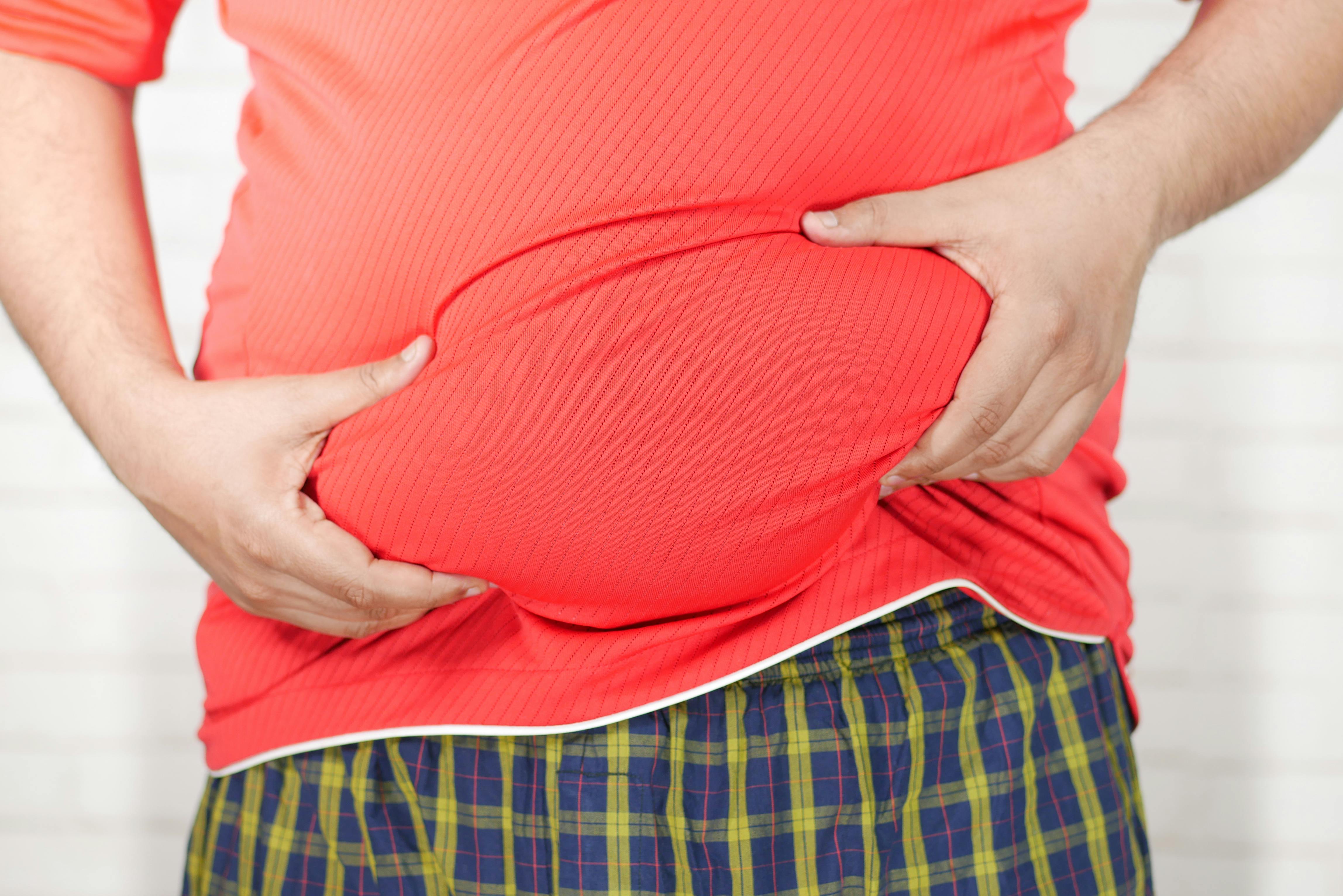
The Shocking Link Between Bloating and Accelerated Skin Aging You Didn’t Know About.
Disclosure: "This article contains affiliate links. If you purchase through these links, I may earn a commission at no extra cost to you. This helps support my work. Thank you!"
Product: Water Retention Pills for Women & Men - Herbal Diuretic Supplements - Fluid Retention Supplement with Dandelion Leaf Extract & Green Tea for Bloating Relief - Pills for Leg & Feet Swelling - 90 Count
Product Link: https://amzn.to/3R13tym
Introduction
We often think of bloating as a minor digestive annoyance—a temporary swelling of the belly after a heavy meal or a reaction to certain foods. But recent studies suggest that chronic bloating might be more than just uncomfortable—it could be silently accelerating the deterioration of your skin cells. The gut-skin connection has gained traction in medical circles, and now, researchers are uncovering how digestive distress like bloating may directly contribute to premature aging, inflammation, and skin degradation.
Let’s break down how this unexpected link works—and what you can do about it.
The Gut-Skin Axis: More Than Just a Buzzword
The gut-skin axis refers to the dynamic relationship between the health of your gastrointestinal tract and the condition of your skin. A growing body of research shows that an imbalance in your gut microbiome—a state called dysbiosis—can contribute to systemic inflammation, oxidative stress, and even impair the skin’s natural repair processes.
Reference: Salem, I., Ramser, A., Isham, N., & Ghannoum, M. A. (2018). The gut microbiome as a major regulator of the gut-skin axis. Frontiers in Microbiology, 9, 1459. https://doi.org/10.3389/fmicb.2018.01459
How Bloating Triggers Inflammation—and Skin Damage
Bloating often stems from poor digestion, bacterial overgrowth, or food sensitivities. All of these issues can lead to increased intestinal permeability, commonly known as “leaky gut”. When the gut barrier is compromised, toxins and undigested food particles leak into the bloodstream, triggering an immune response.
This immune reaction causes the release of pro-inflammatory cytokines, which circulate through the body and can:
- Disrupt collagen synthesis
- Increase oxidative damage to skin cells
- Reduce skin elasticity
- Trigger breakouts, rashes, or eczema
Over time, this ongoing inflammation can literally age your skin from the inside out.
The Role of Skin Cell Deterioration
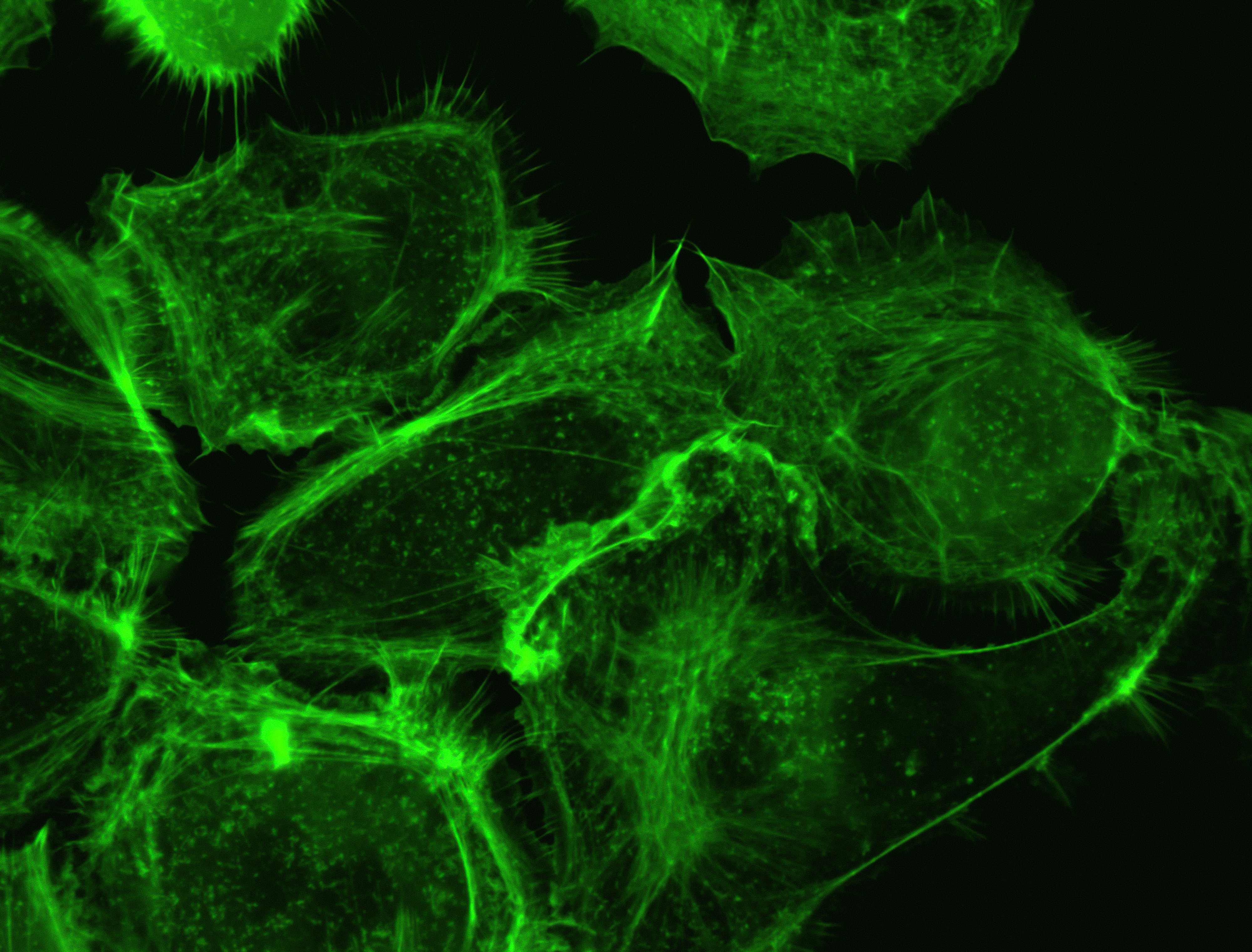
Skin cells have a natural lifecycle—they regenerate every 28 to 40 days in young, healthy individuals. But chronic inflammation from bloating can speed up cellular senescence, a state in which skin cells lose their ability to divide and function properly.
Senescent skin cells:
- Fail to repair UV damage effectively
- Lose their ability to produce collagen and elastin
- Contribute to dull, sagging, and wrinkled skin
Reference: Wang, A. S., & Dreesen, O. (2018). Biomarkers of cellular senescence and skin aging. Frontiers in Genetics, 9, 247. https://doi.org/10.3389/fgene.2018.00247
What You Can Do: Healing the Gut to Save Your Skin
If you experience bloating regularly, it’s time to look deeper. Here are some science-backed ways to heal your gut and protect your skin:
- Eliminate Trigger Foods: Dairy, gluten, and processed sugar are common culprits.
- Take Probiotics: Support a healthy gut microbiome with clinically proven strains.
- Eat Anti-Inflammatory Foods: Think turmeric, leafy greens, berries, and omega-3s.
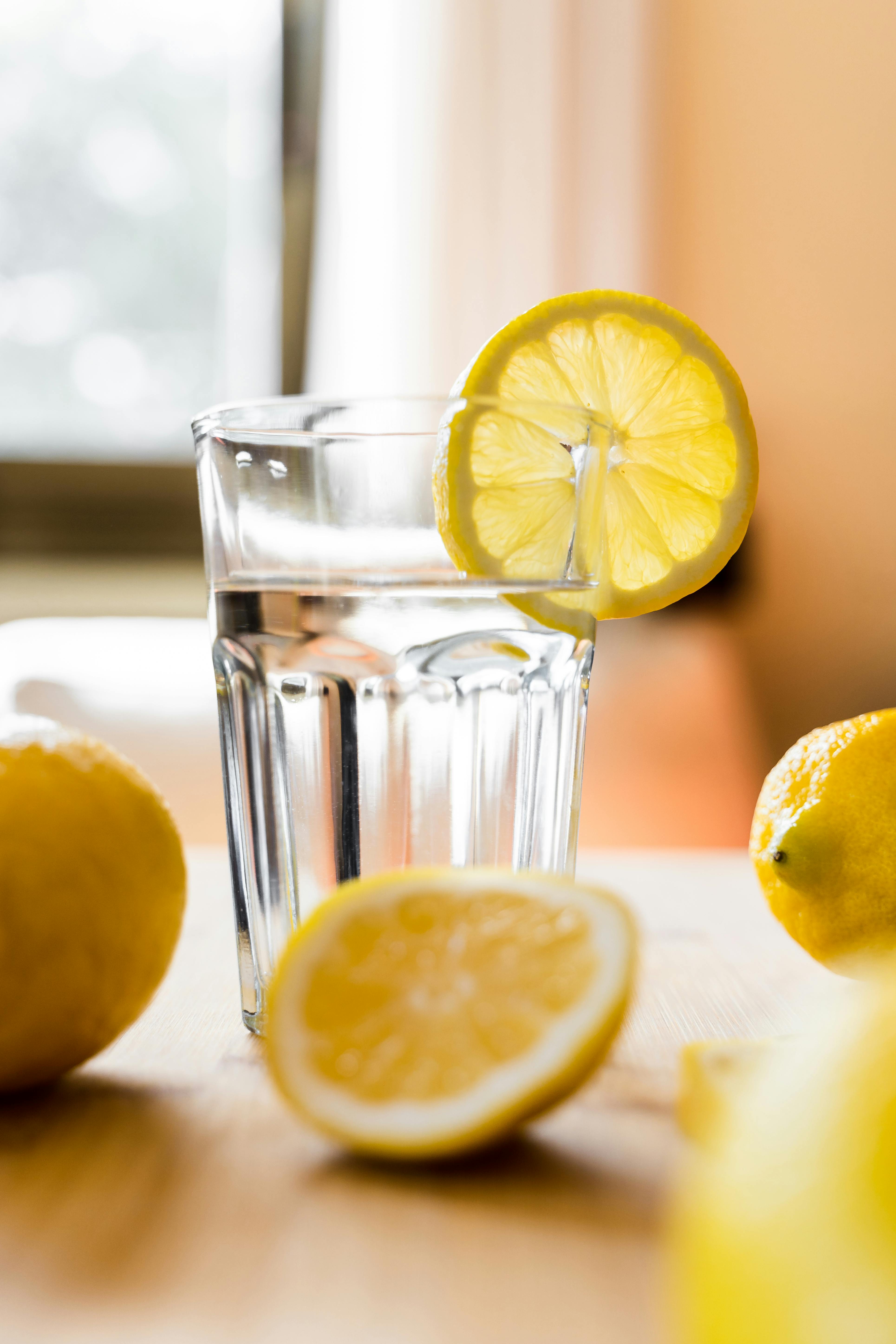
- Hydrate Religiously: Water helps flush out toxins and keep your skin supple.
- Consider Digestive Enzymes: Especially if you feel heavy or bloated after meals.
Final Thoughts
While bloating may seem like a small issue, its long-term effects on your skin health can be profound. If you're chasing youthful, glowing skin, start where it counts most—your gut. The clearer your digestion, the clearer your skin.
Reference: Bowe, W. P., & Logan, A. C. (2011). Acne vulgaris, probiotics and the gut-brain-skin axis—back to the future? Gut Pathogens, 3(1), 1. https://doi.org/10.1186/1757-4749-3-1
https://babacares.com.131-153-147-50.cpanel.site/blog-details?details=468&title=The+Shocking+Link+Between+Bloating+and+Accelerated+Skin+Aging+You+Didn%E2%80%99t+Know+About.%C2%A0







Comments